As I start the blog entry for today, I must share a paraphrase of Lonely Planet’s description of Okinawa: if Tokyo were a pie, take a slice of that pice, plunk it on a South Pacific island, add a dollop of Florida, and you have Okinawa! Today proved that to be very accurate.
The reality of not having a rental car on such a large island really sank in when we woke with the sun this morning. At 106km long and with 1207 square kilometres, its sights are dispersed far and wide. With a rental car, our plan had been to drive south to Naha, the main city, and explore that area on day one and then drive north to explore the national park on day two. Using a mix of public transportation, taxis and walking, we are going to try to stick roughly to that plan.
We set out just before 9AM and caught a bus to the outskirts of Naha and launched into it all, taking in five major sights during the day. In contrast to the cloudy and showery weather since our arrival in Japan, today was a brutally hot, humid and sunny day, which made for great pictures but was not easy on the body! By the time we arrived back at the hotel at 4:30PM, we were drained. The hotel has a rooftop pool and lounge area, and we both fell asleep up there!
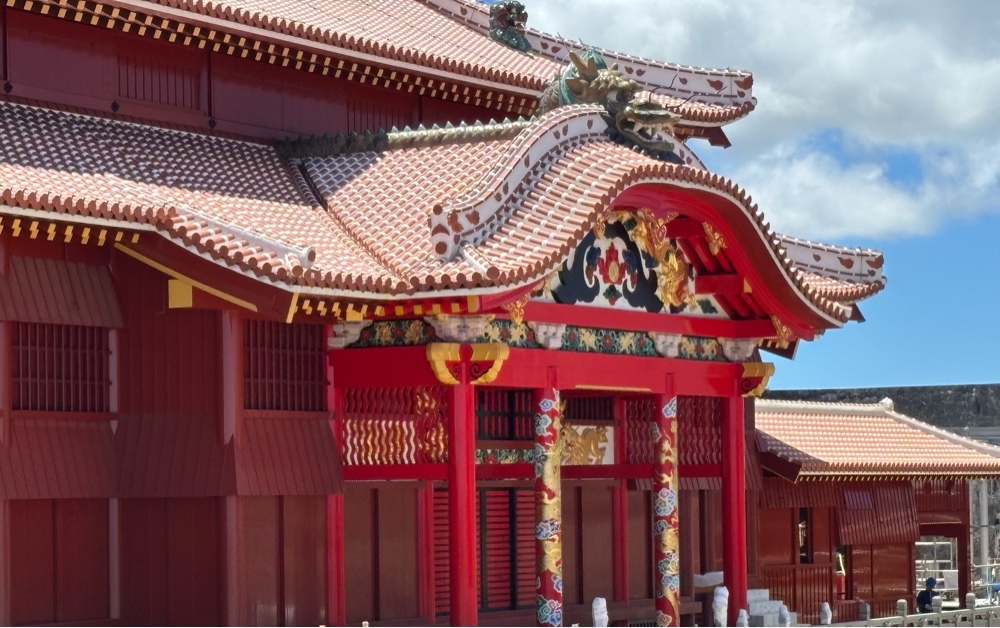
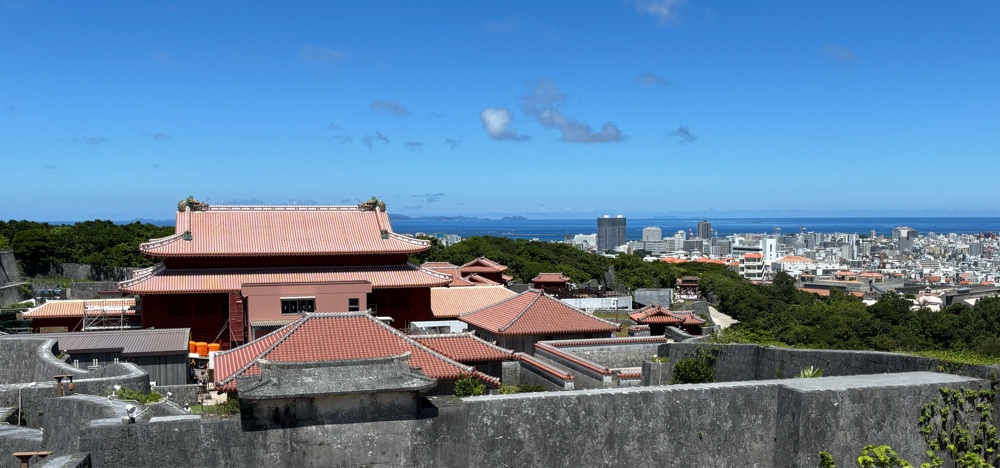
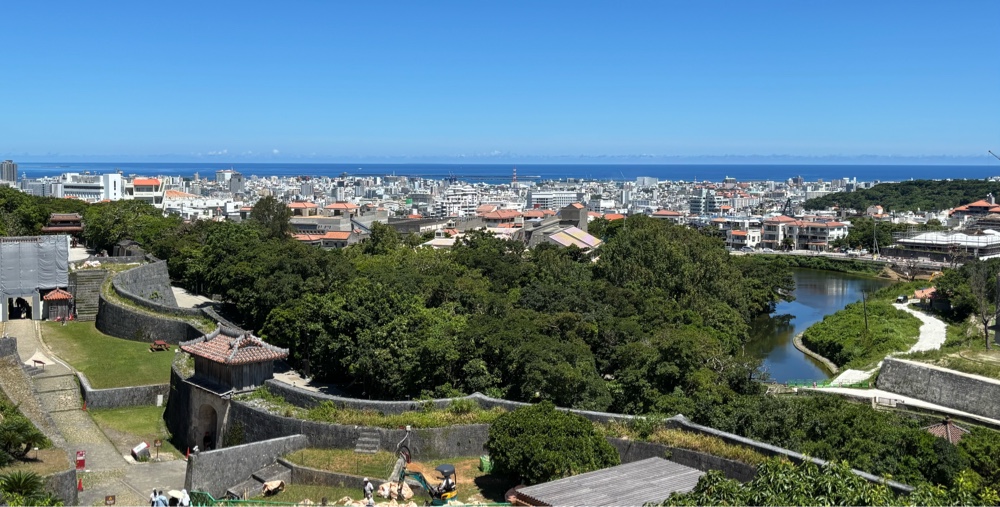
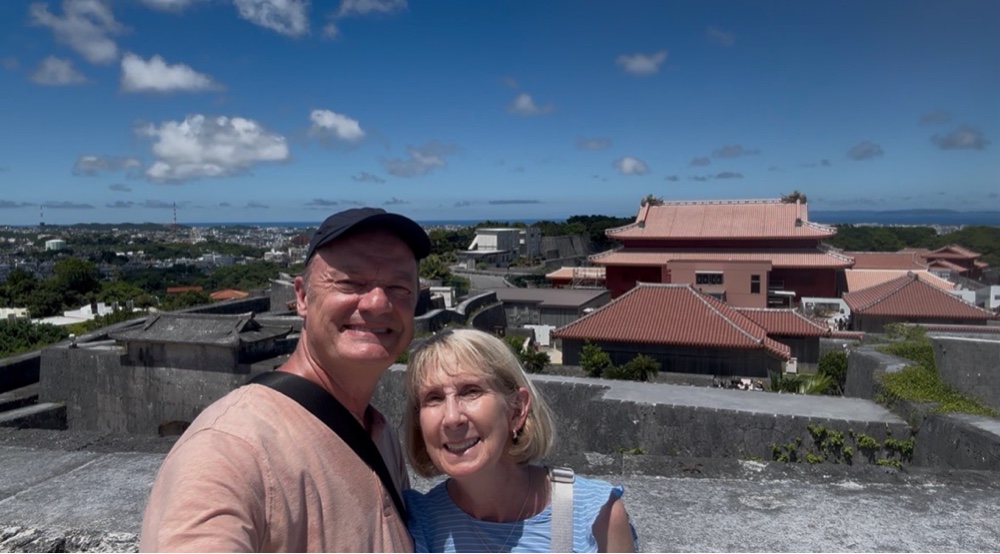
Shurijo Castle
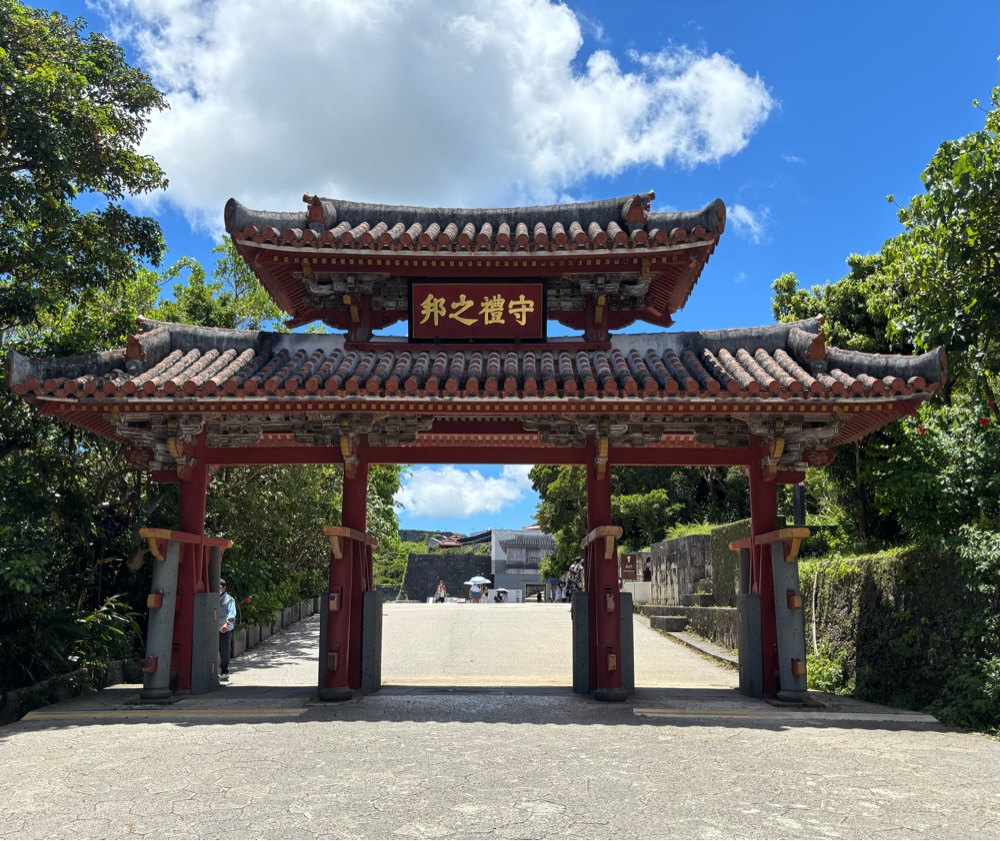
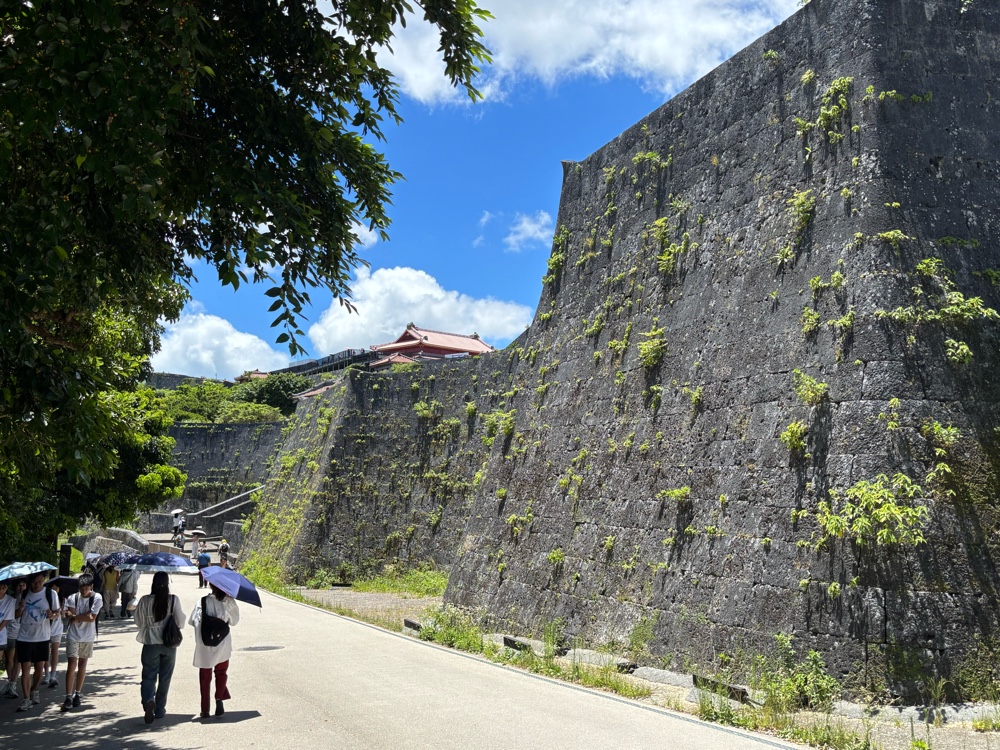
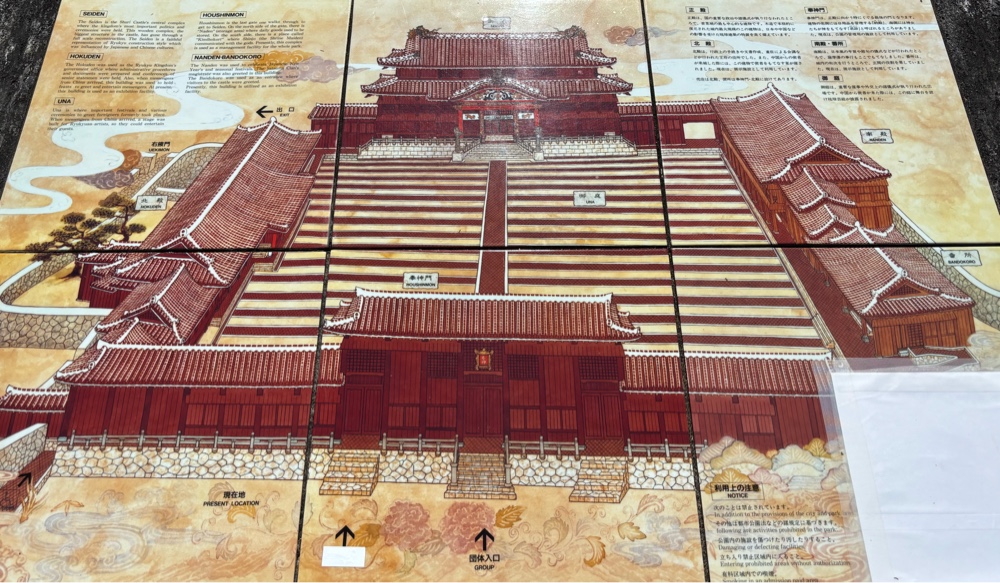
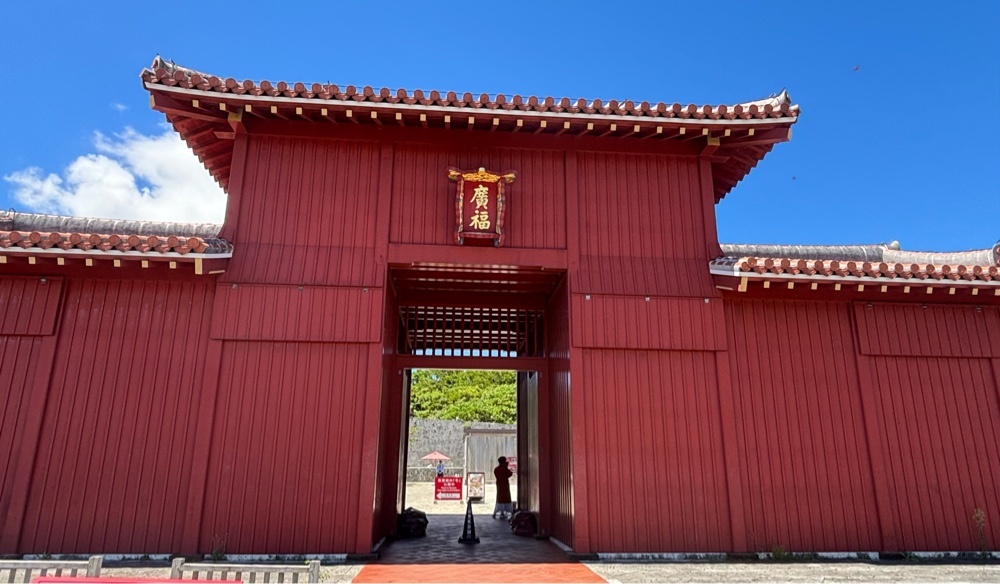
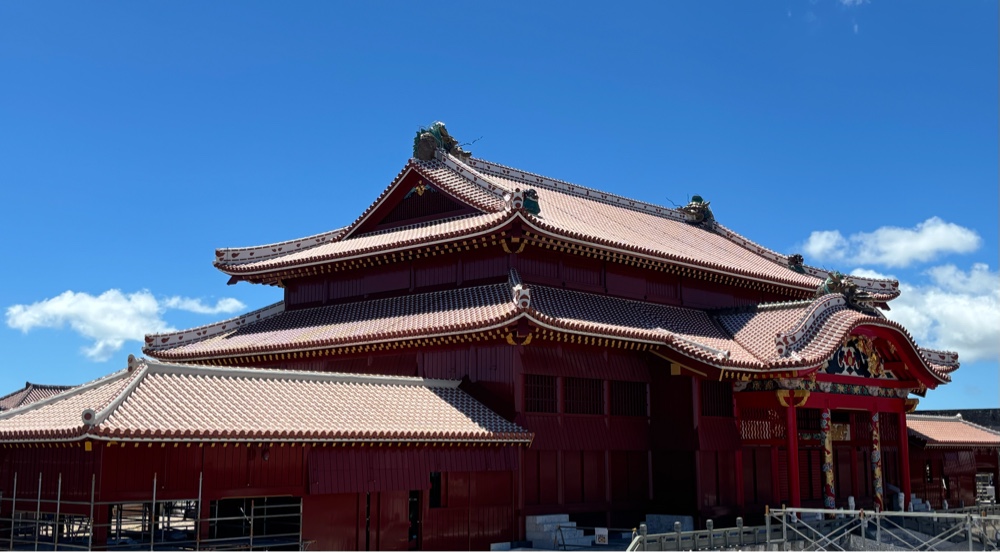
Shurijo Castle was originally built in the 14th century and served as the administrative centre and royal residence of the Ryuku kingdom until the 19th century. During the Battle of Okinawa, the complex was mostly destroyed. After the war, what remained served as a university. In 1992, it was rebuilt and in 2000 was declared a UNESCO World Heritage Site. In 2019, the main courtyard structures were again destroyed, this time by fire. A painstakingly meticulous re-construction effort is currently underway and is nearly completion.
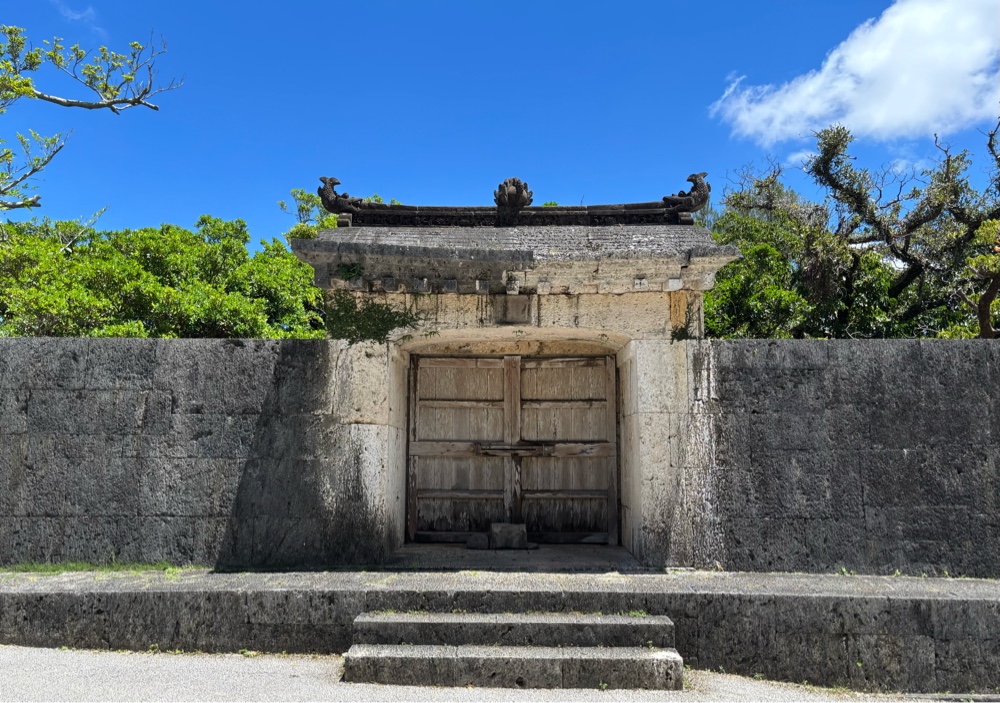
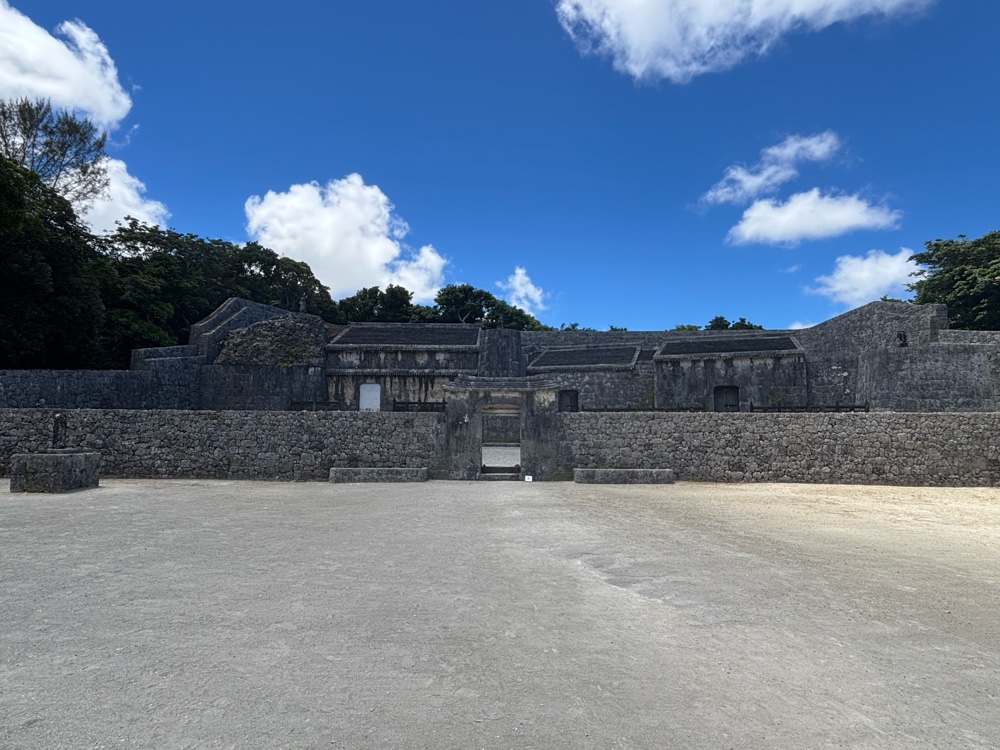
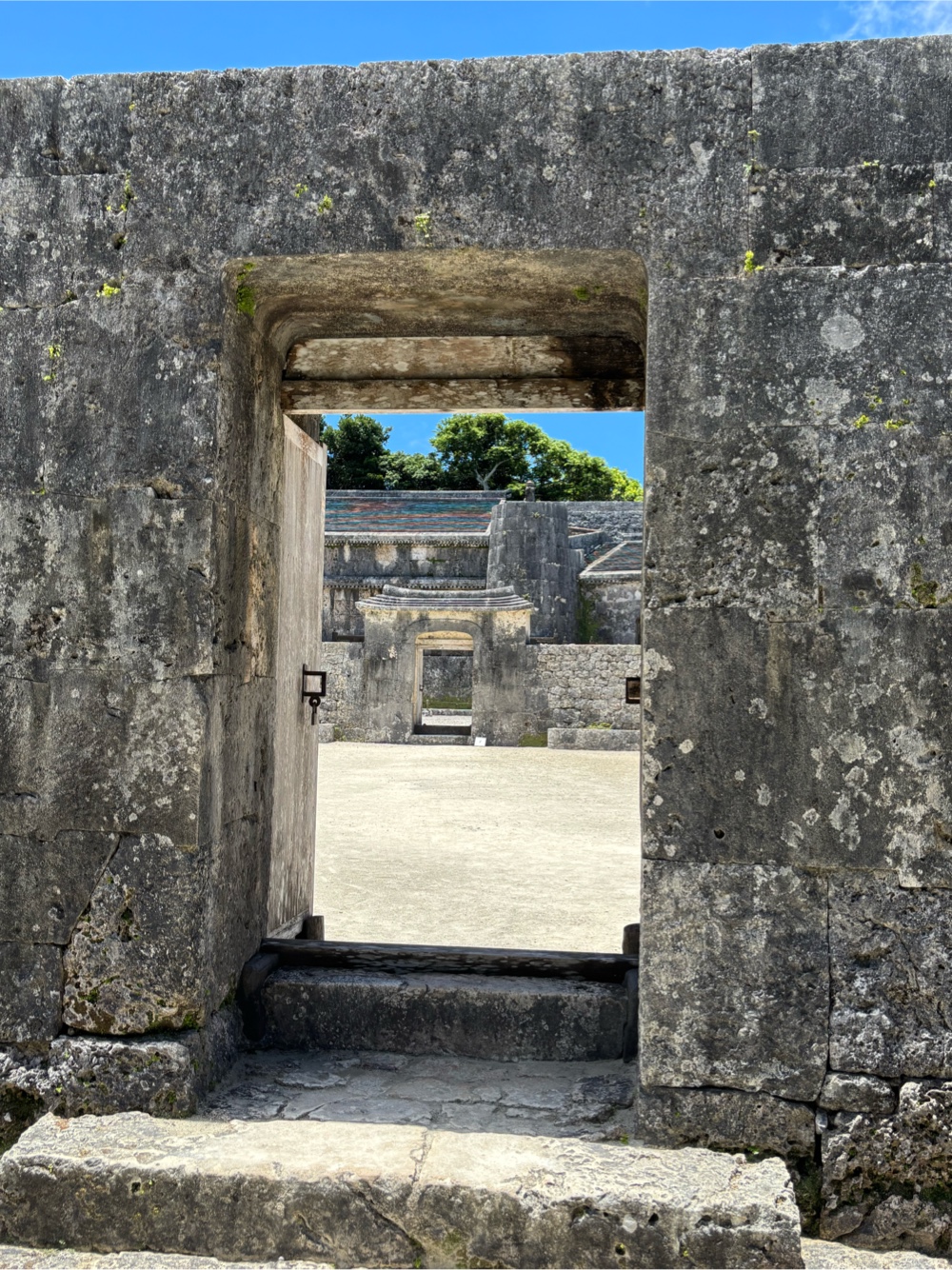
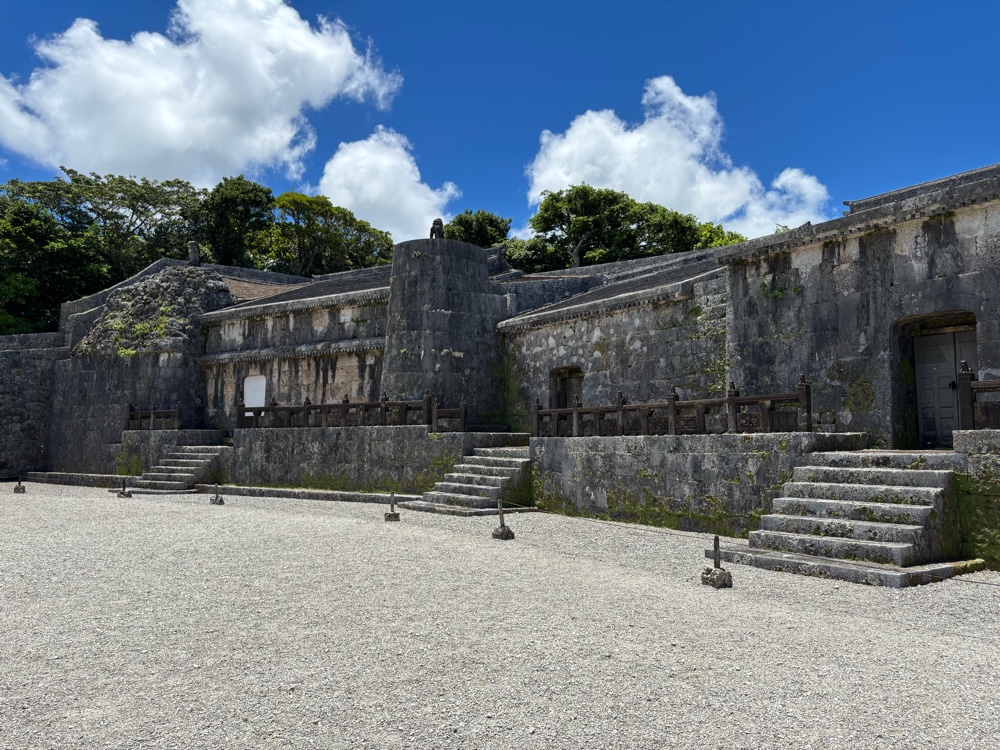
Tamaudun Mausoleum was built around the beginning of the 16th century as the mausoleum for the royal family of the Ryukyu Kingdom. It was restored after suffering extensive damage during the war. It included as one of the UNESCO World Heritage designated Castles of the Ryukyu Kingdom and Related Sites. The mausoleum consists of three closed chambers: the left one for kings and queens, the right one for princes and princesses, and the central one for storing recently deceased bodies before undergoing a ritual of bone cleaning a few years later.
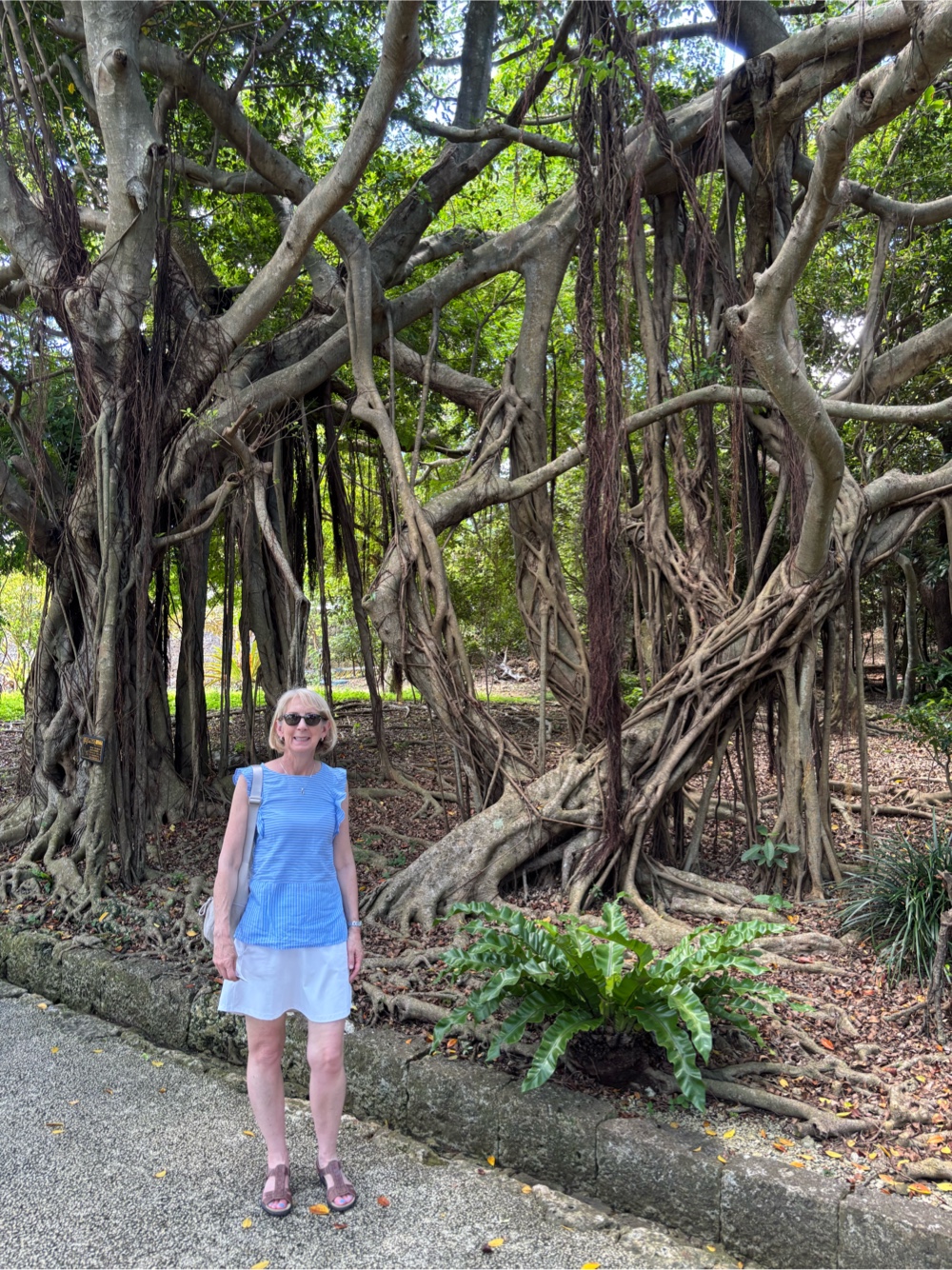 |
| Very macabre-looking trees, appropriate to a burial site! |
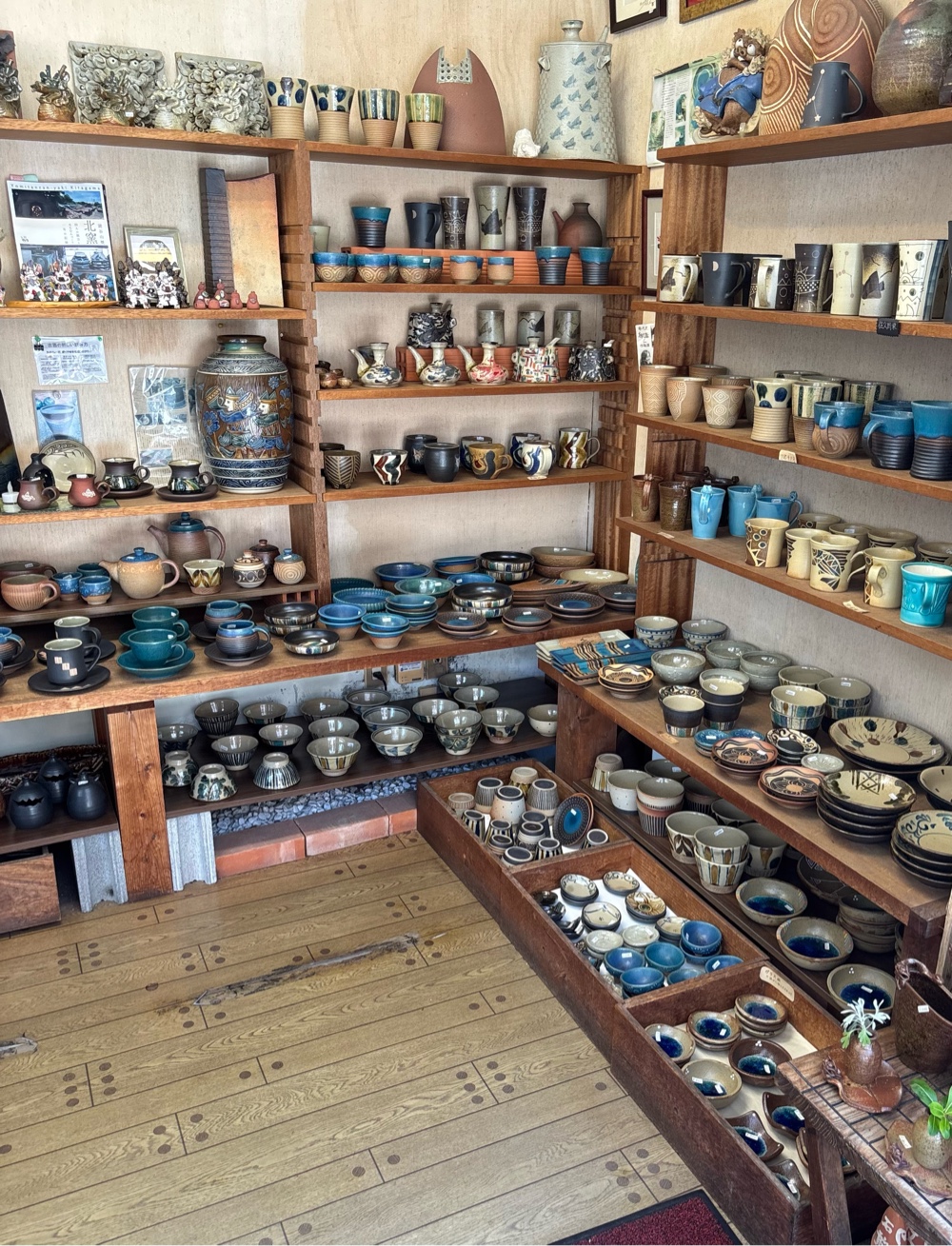
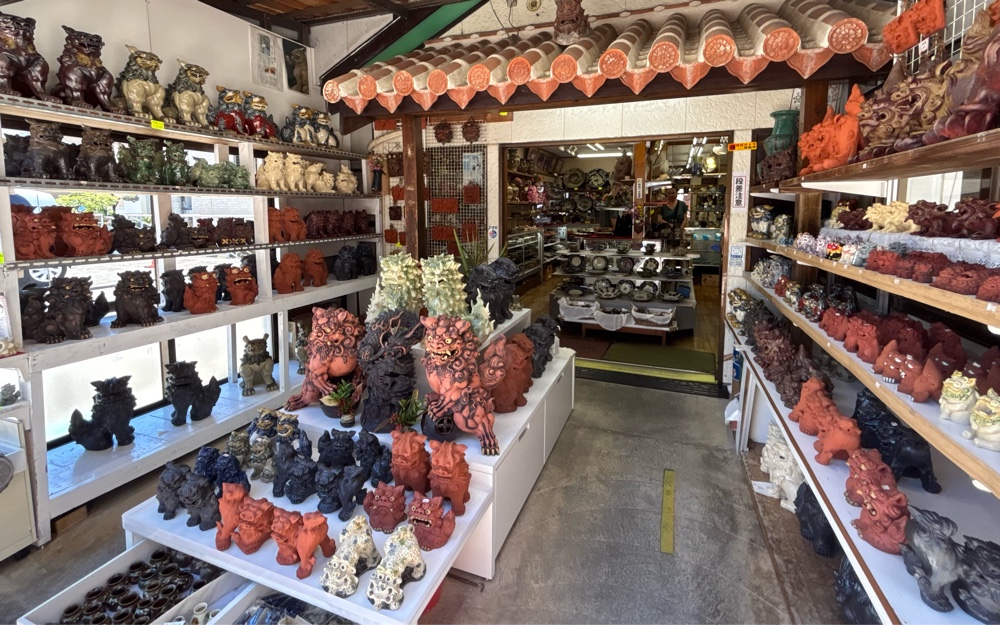
Tsuboya Pottery Street
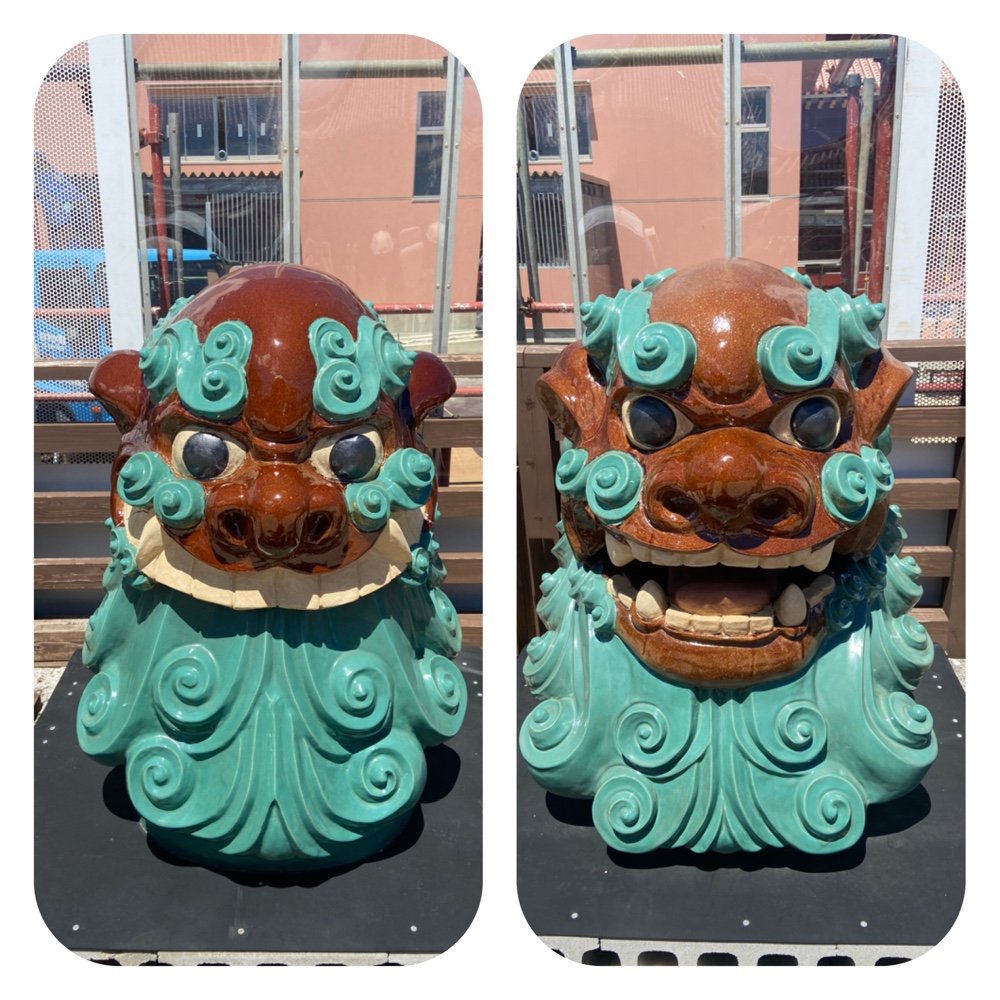
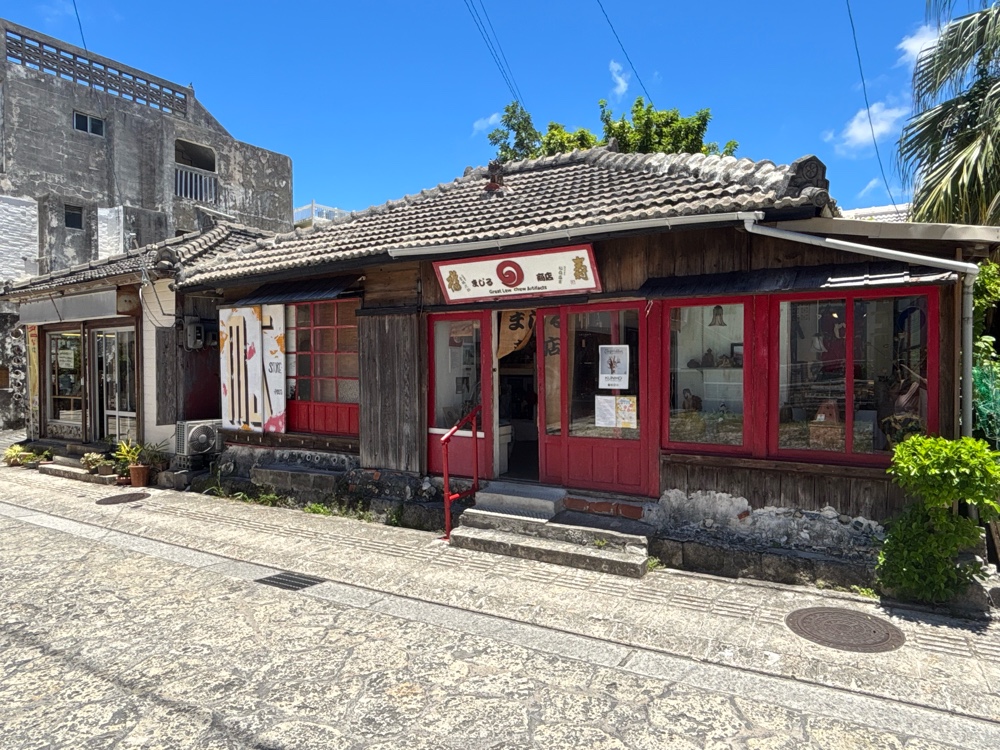
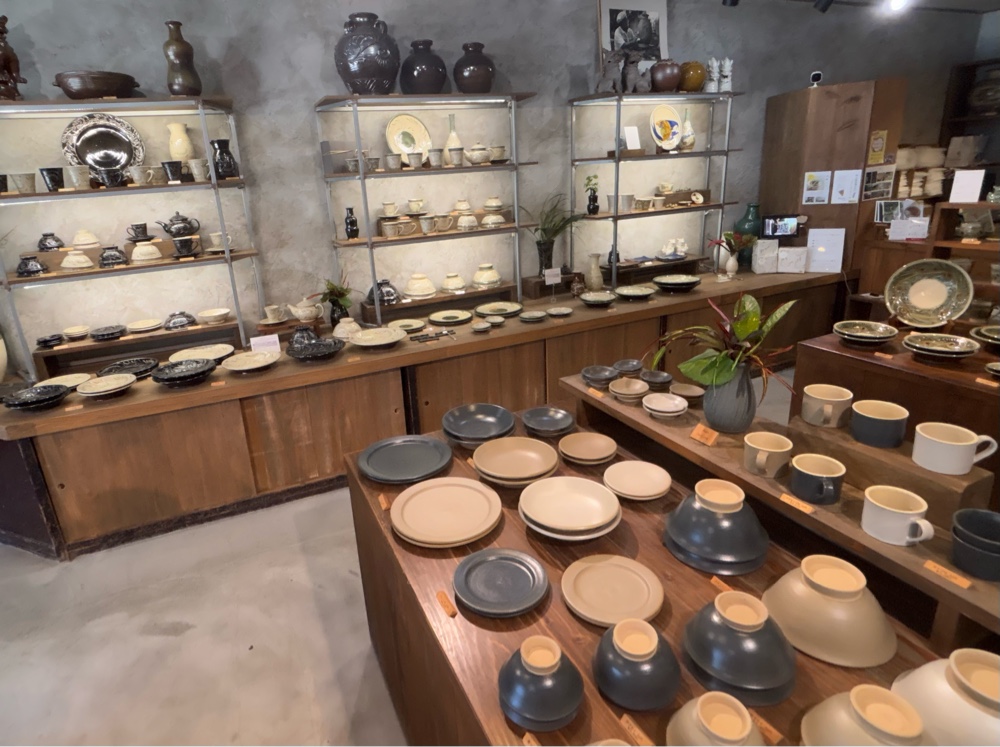
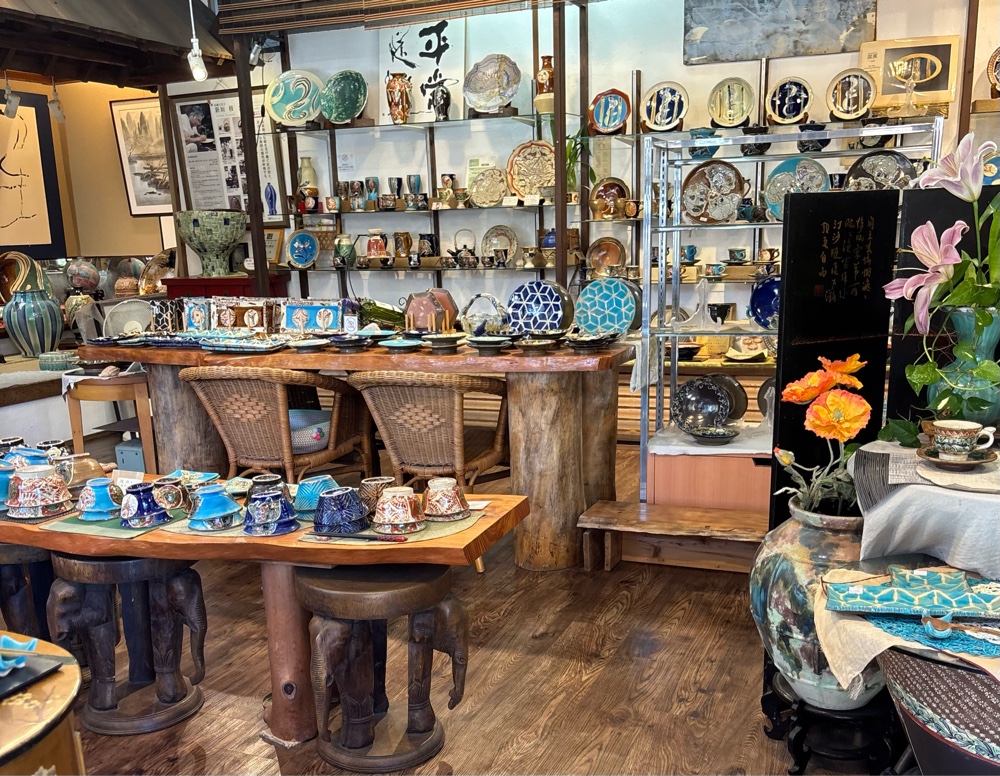
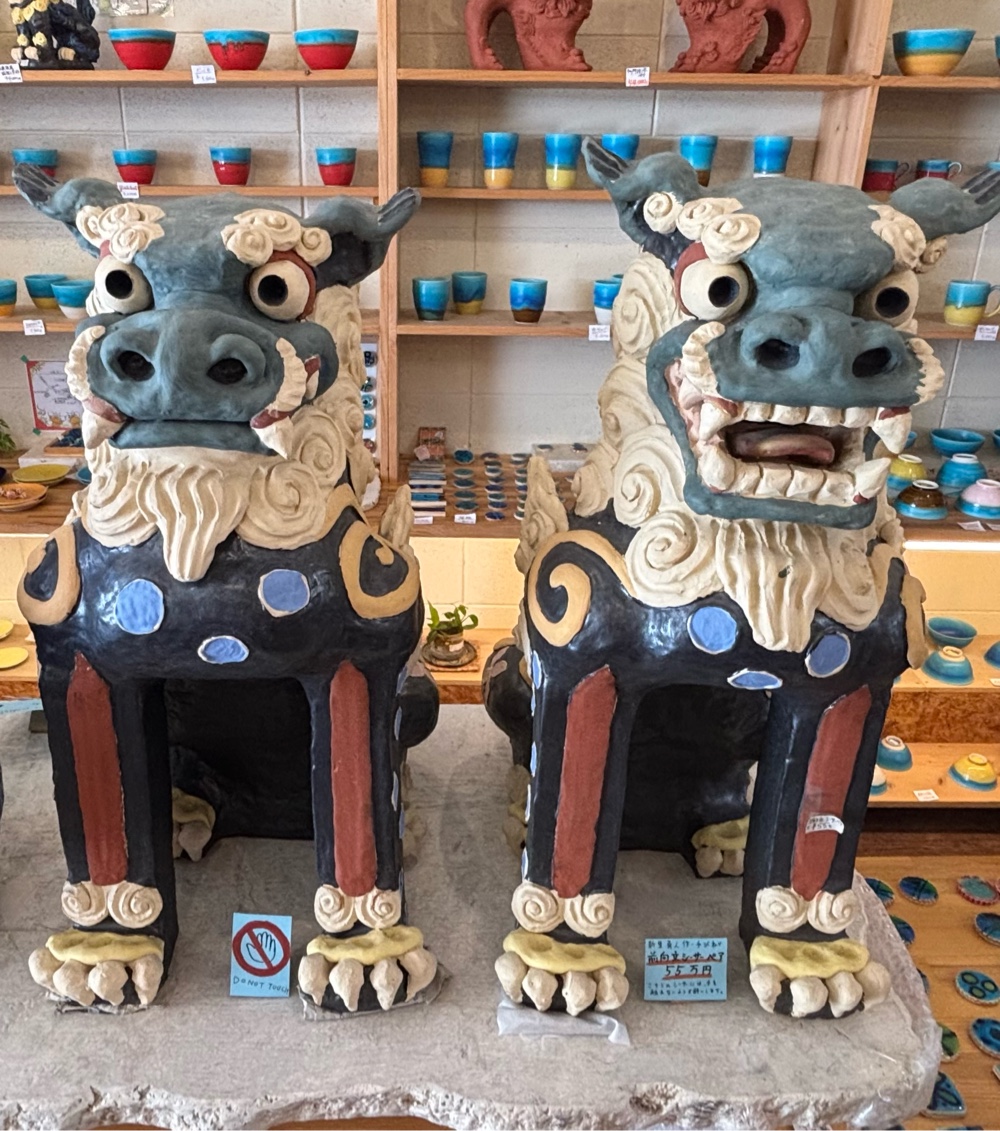
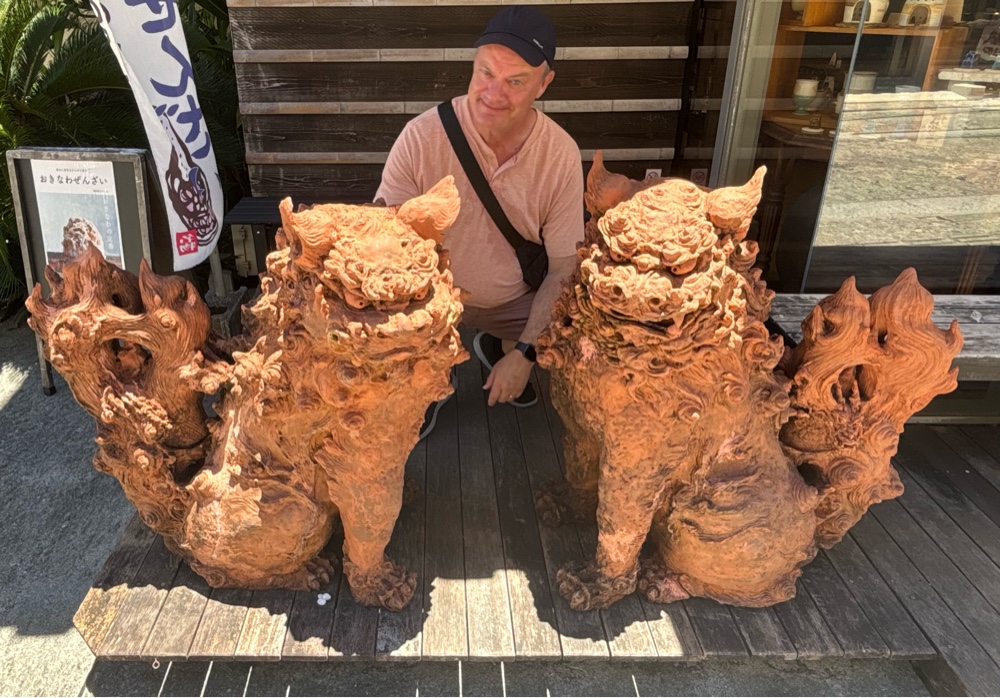
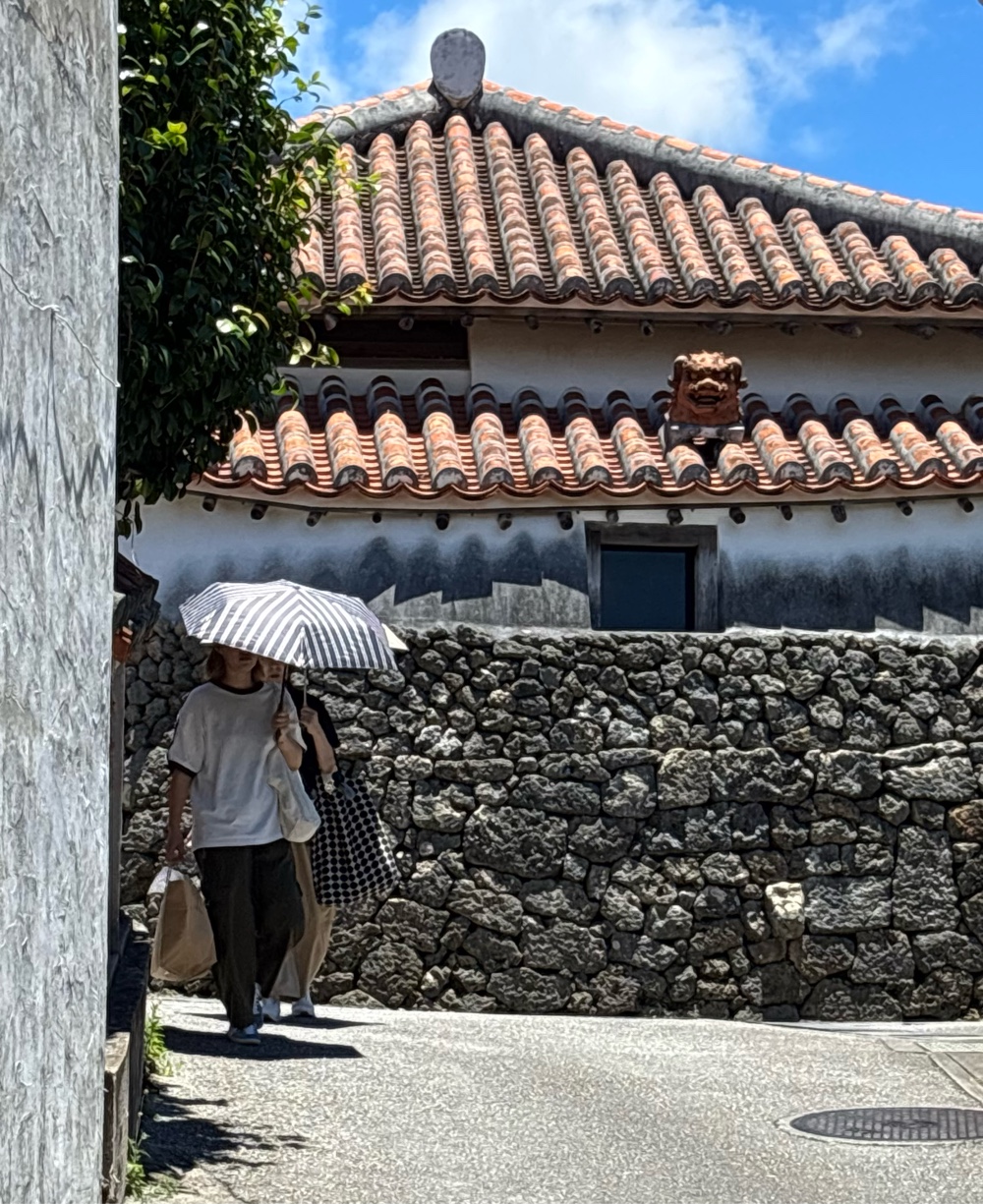
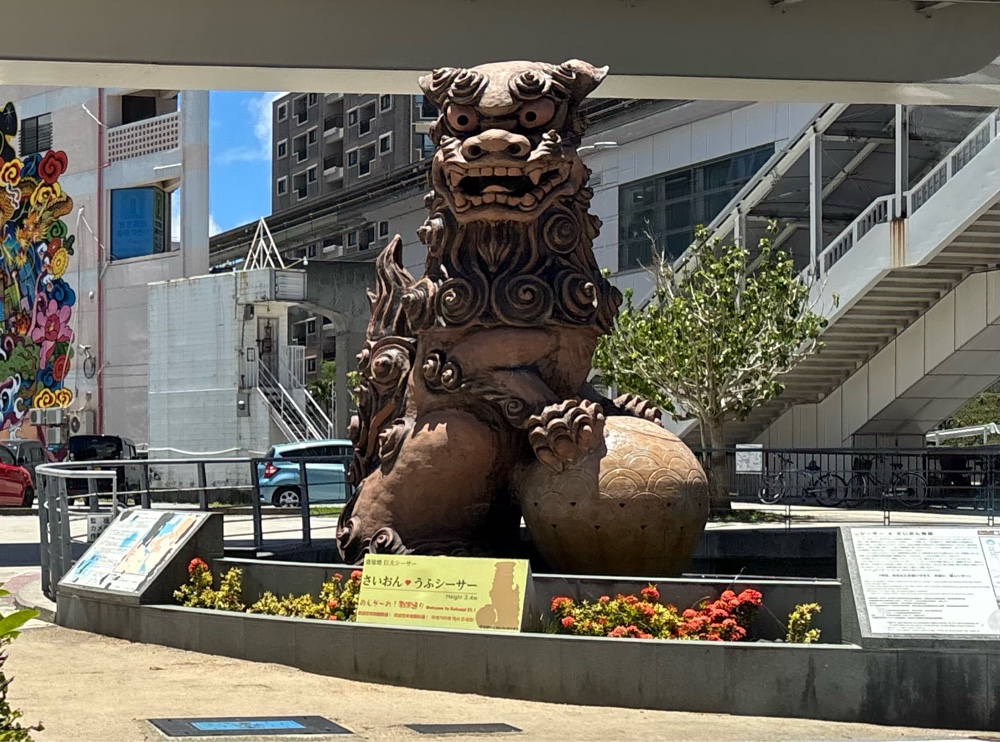
This street in central Naha has been a centre of ceramic production since 1682, when the kilns of Ryukyu were consolidated here by royal decree. Today, it retains the tradition, although it is purely touristic in nature, and the goods sold are more in line with household needs than what the needs of the Ryukyu royal family would have required. Almost every store has examples of the shiisa described above (lion-dog roof guardians).
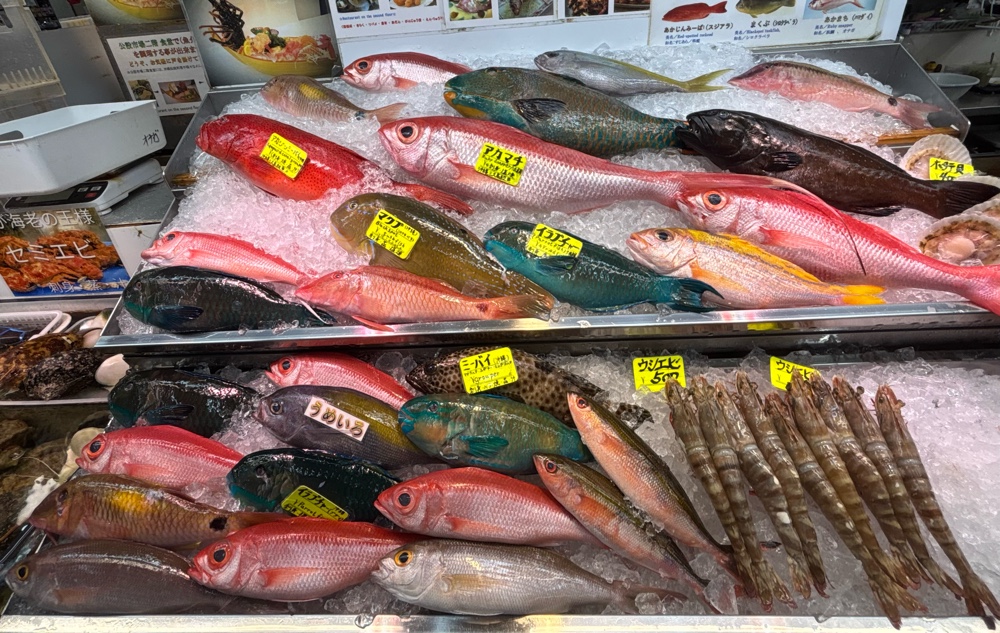
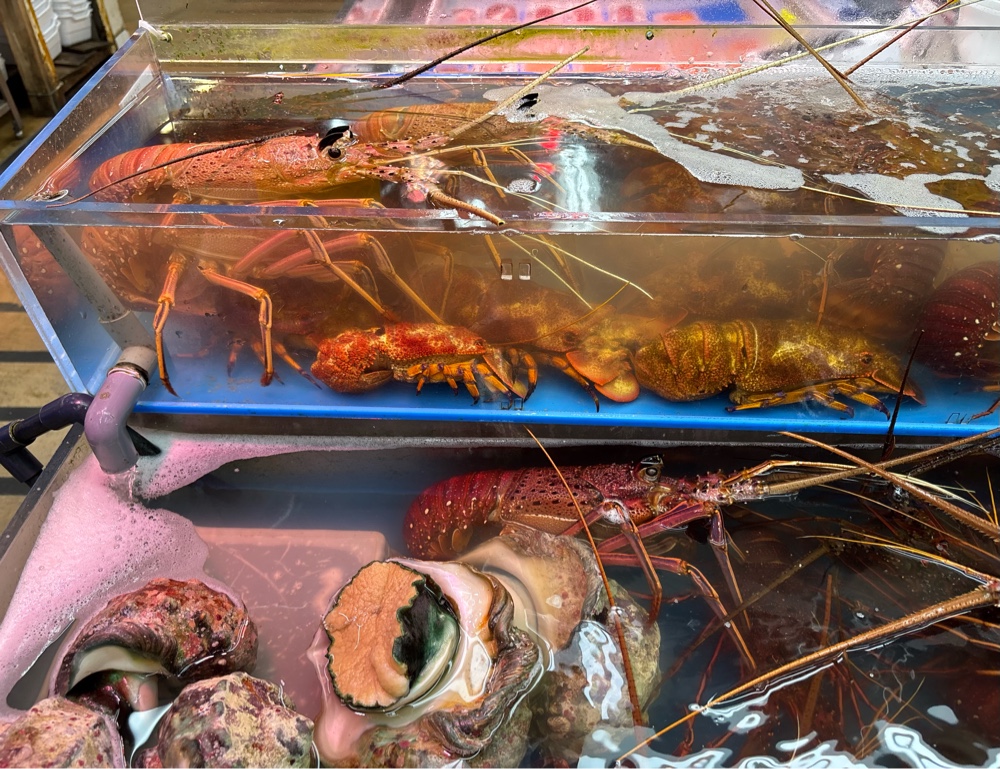
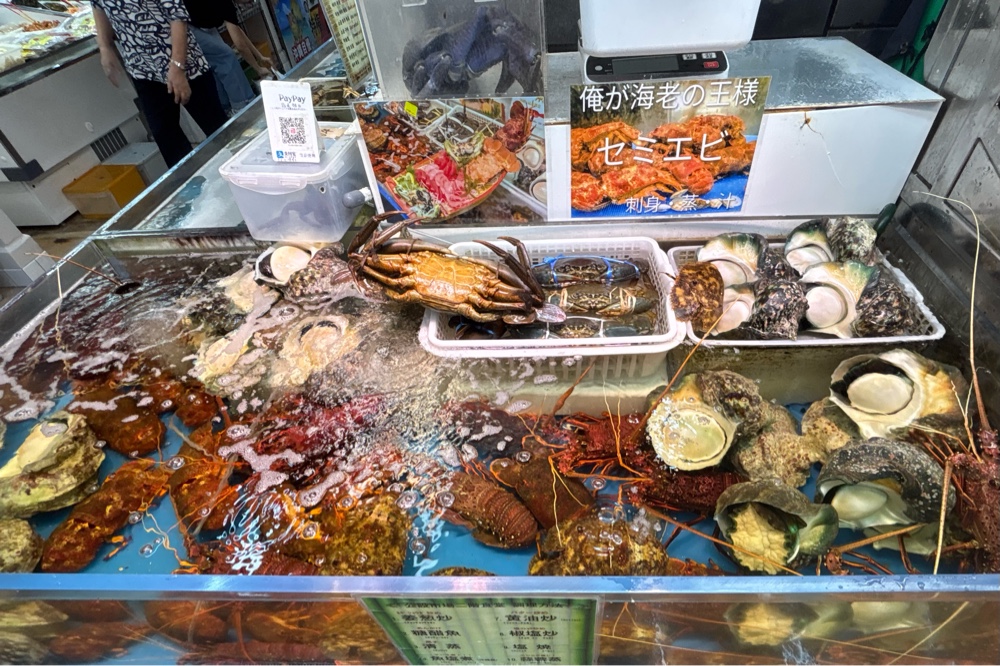
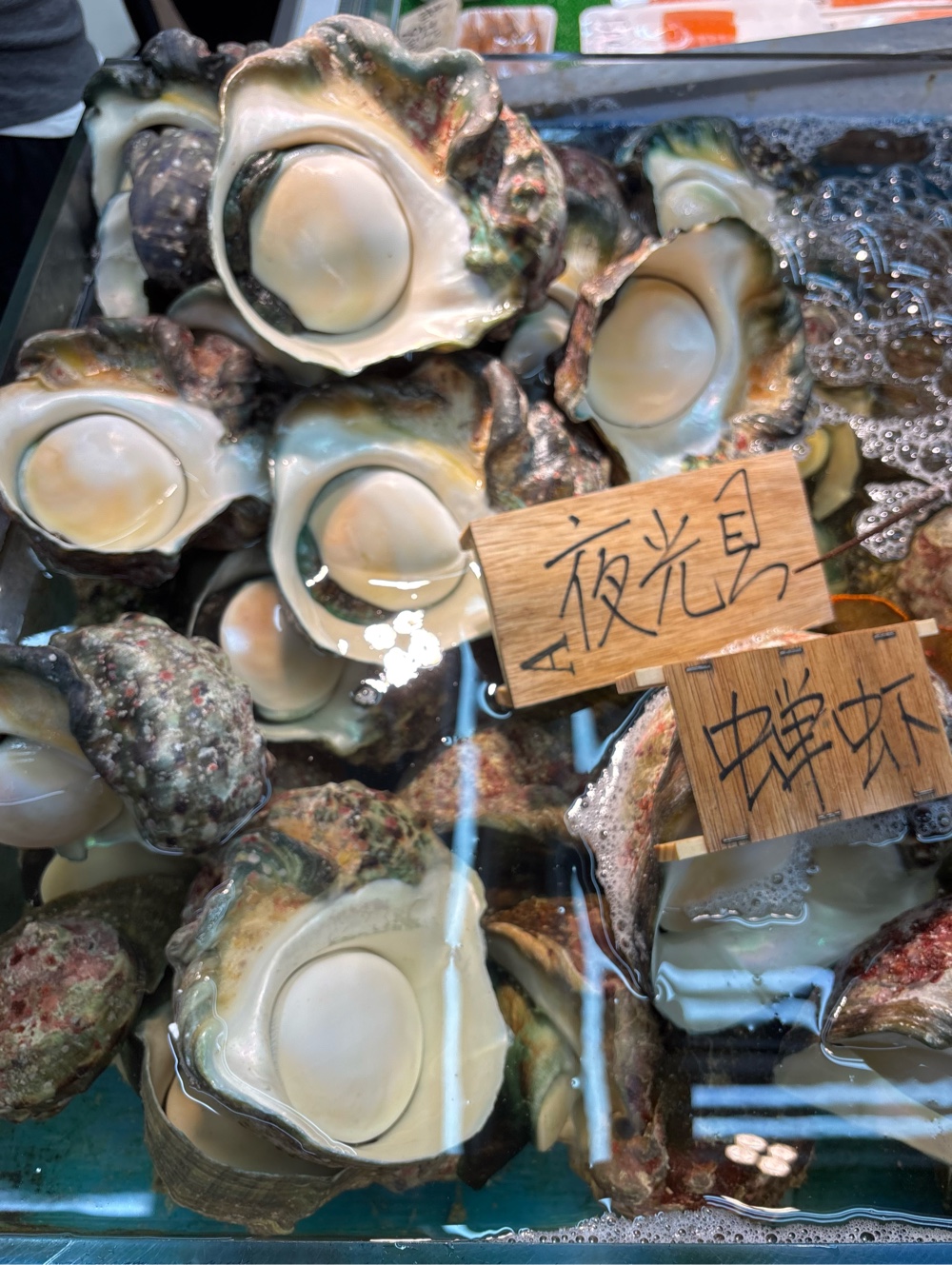
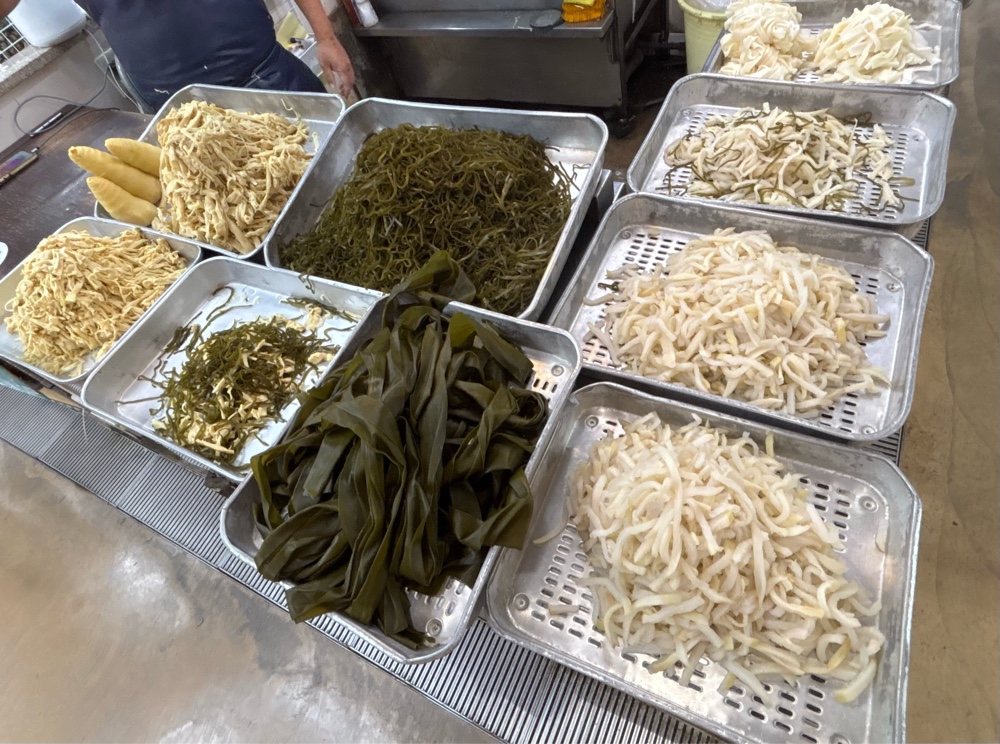
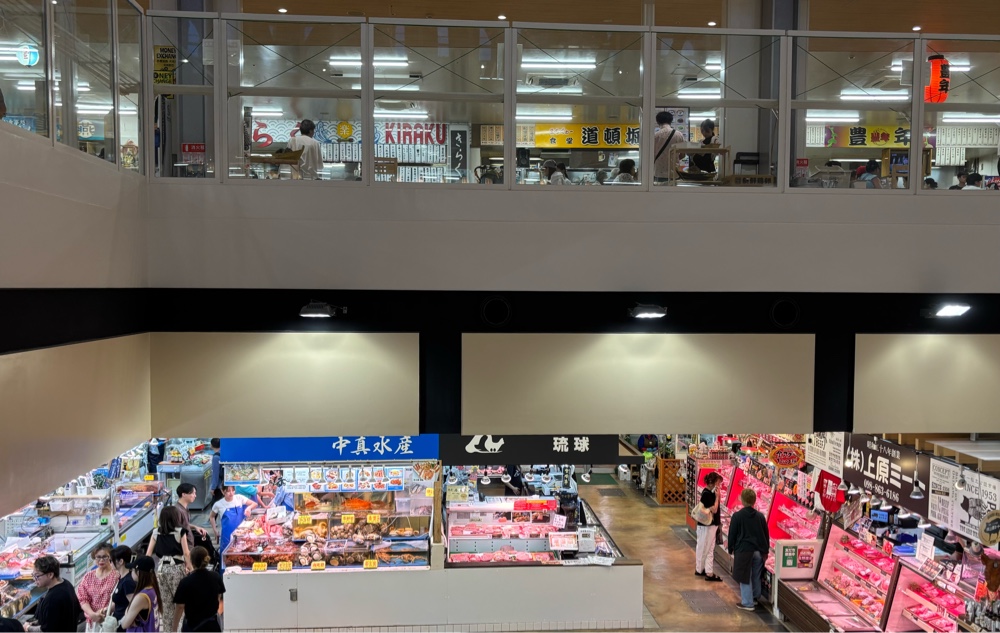
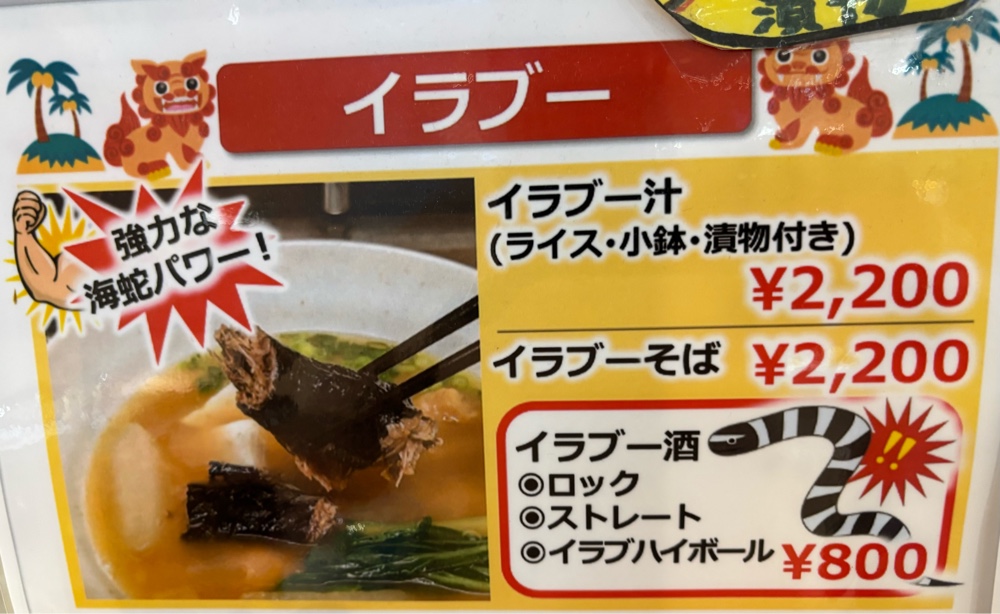
When in Asia, one of the most fascinating things you can do is visit a seafood market. The best example of this in Naha is the Daichi Makishi Kosetsu Ichiba, a covered market in the centre of the city. On the second floor of the facility are a large number of seafood restaurants. We explored their menus, but it was all too intimidating and — as you will in one photo below —too terrifying to sample!
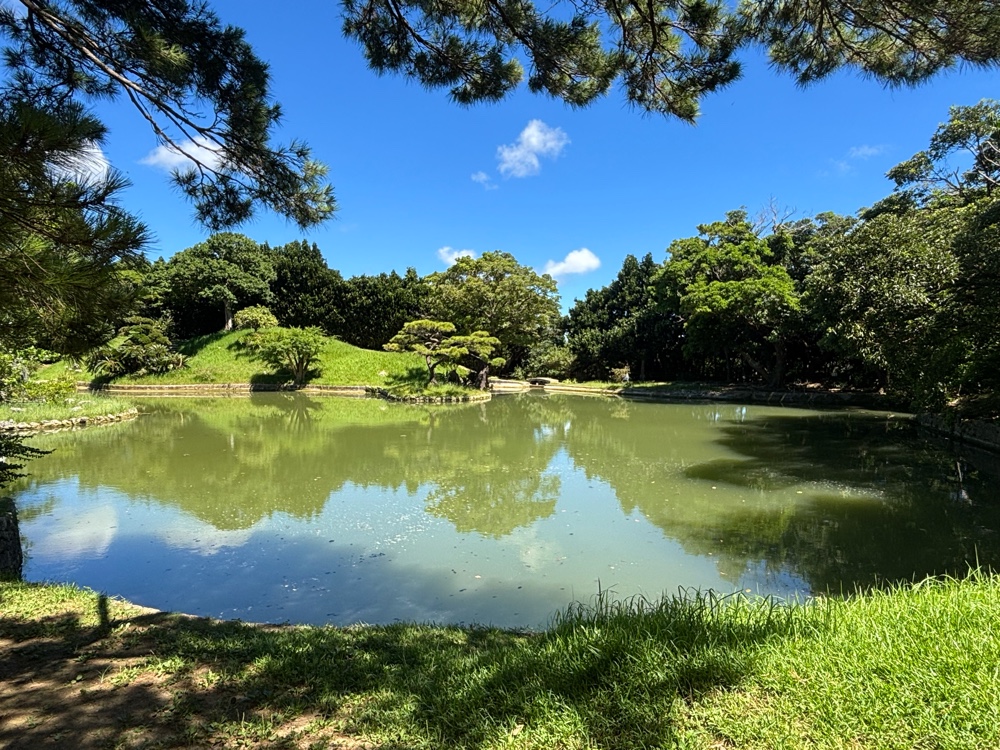
East of Naha’s city centre , Shikina-en is a Chinese-style garden with stone bridges, a viewing pavilion and a villa, which belonged to the Ryukyu royal family. Everything you see below was painstakingly rebuilt after World War II. The site has been used by the Japanese for an underground hospital during the War.
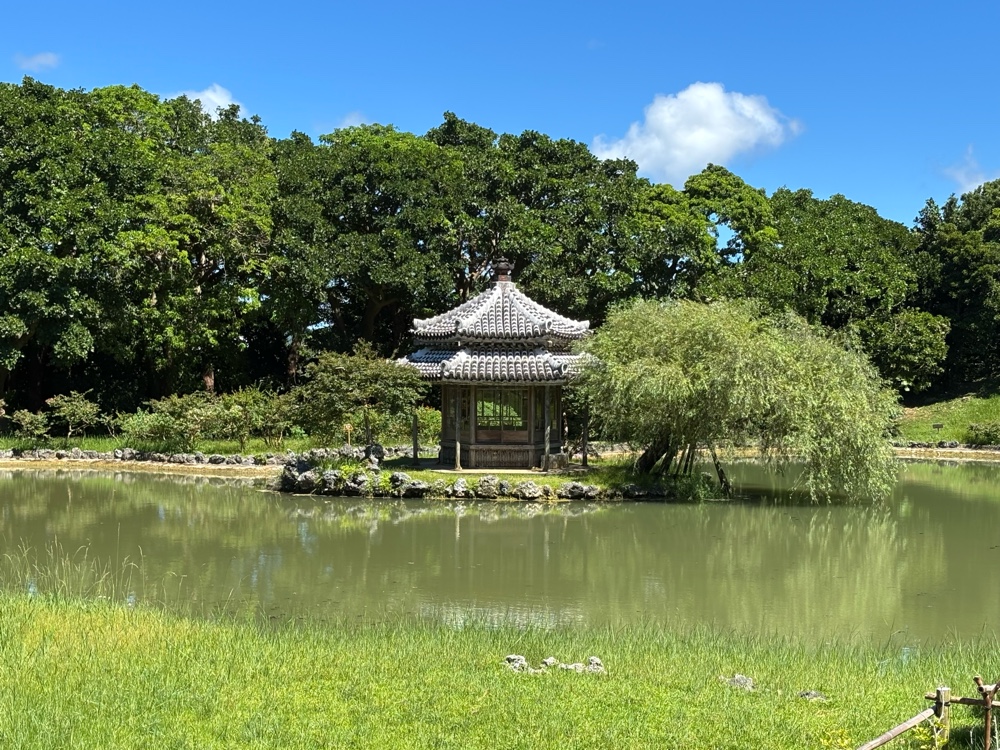 |
| The viewing pavilion. |
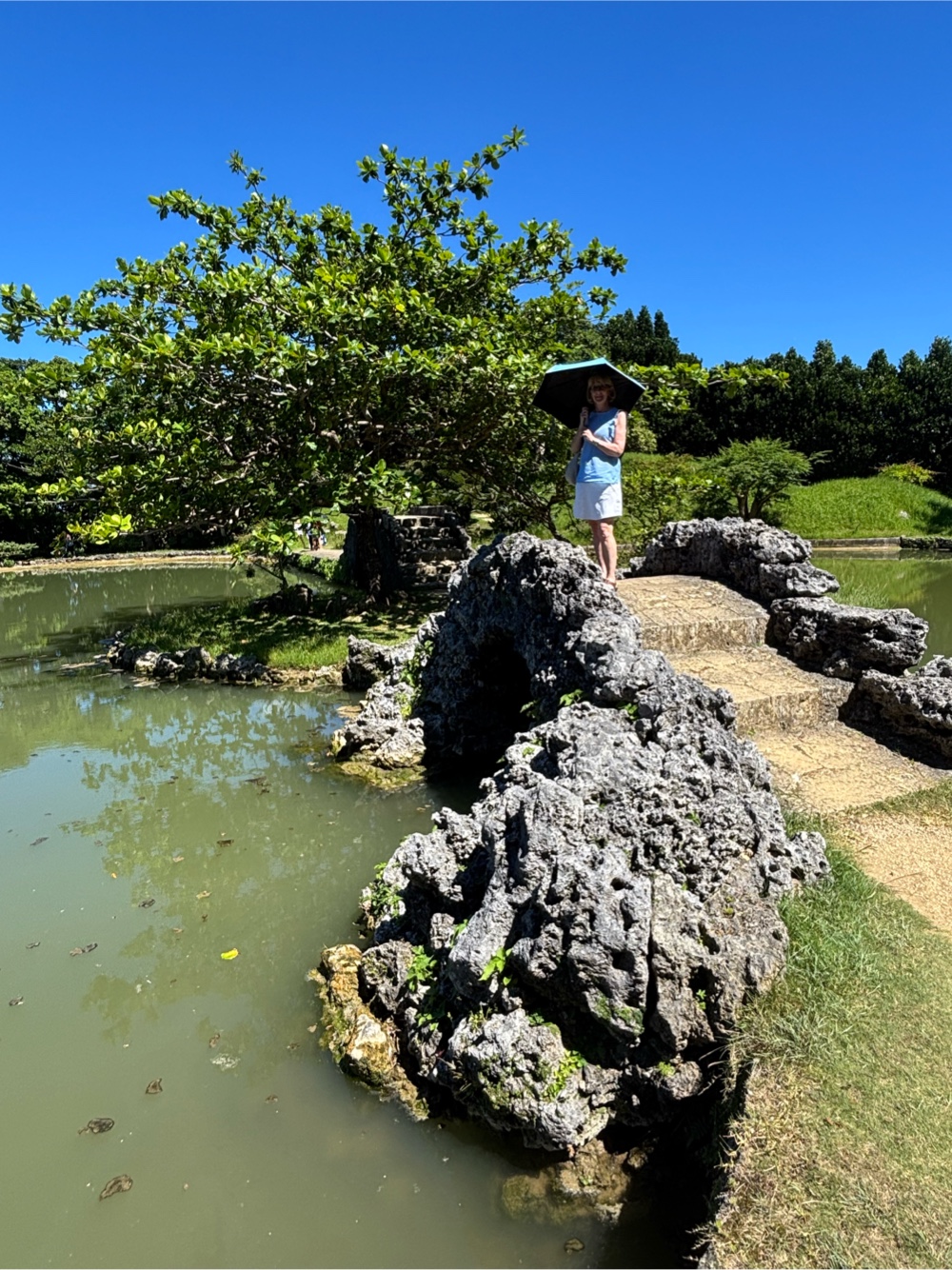 |
| The stone bridges. |
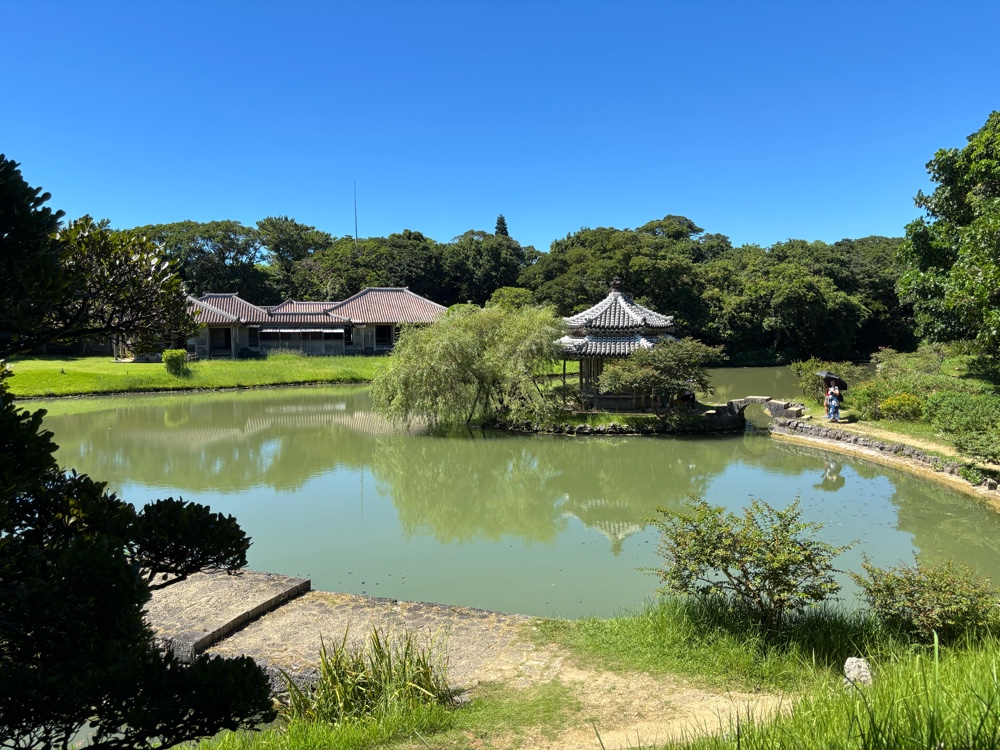 |
| The royal family’s villa in the background. |
Odds and Ends from the Day
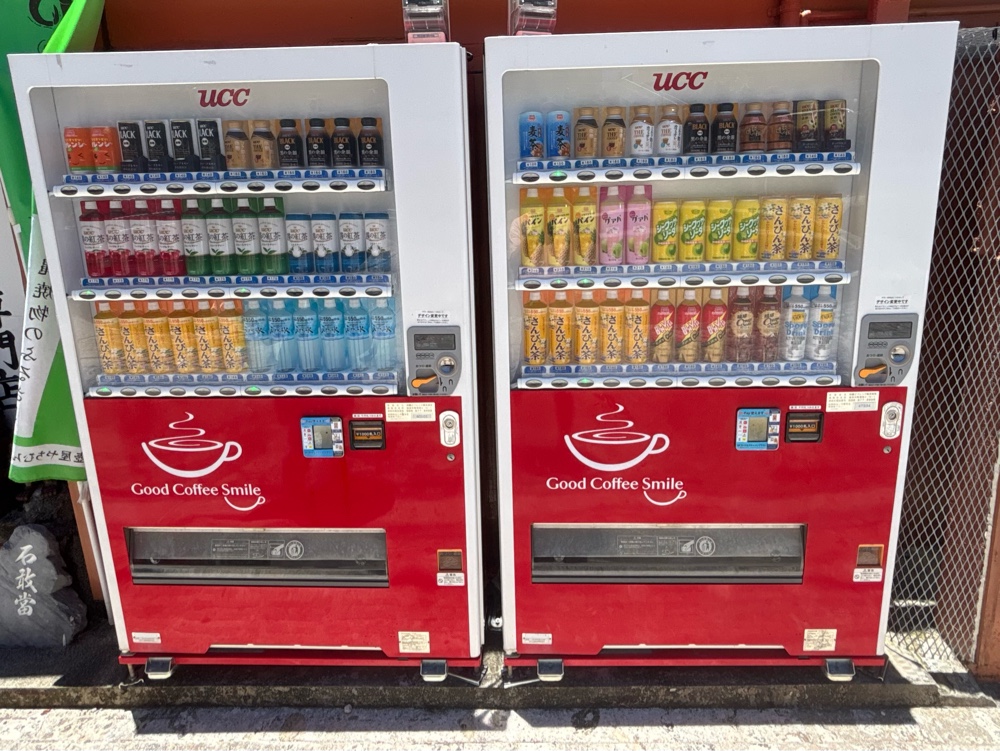
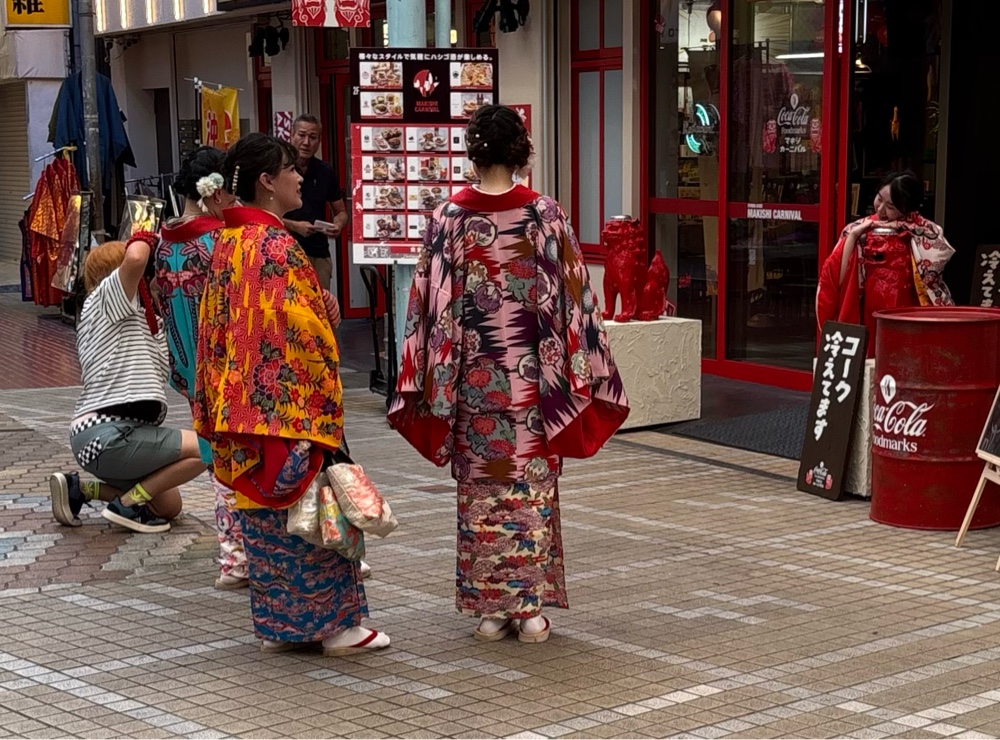
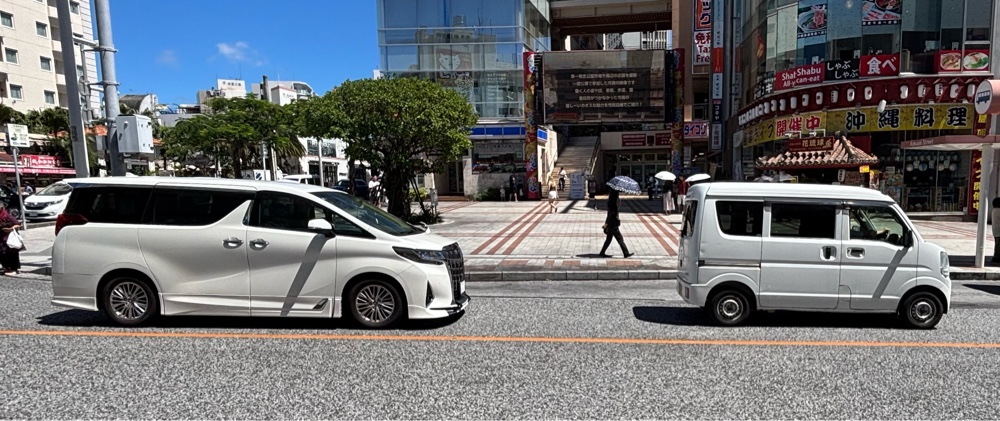
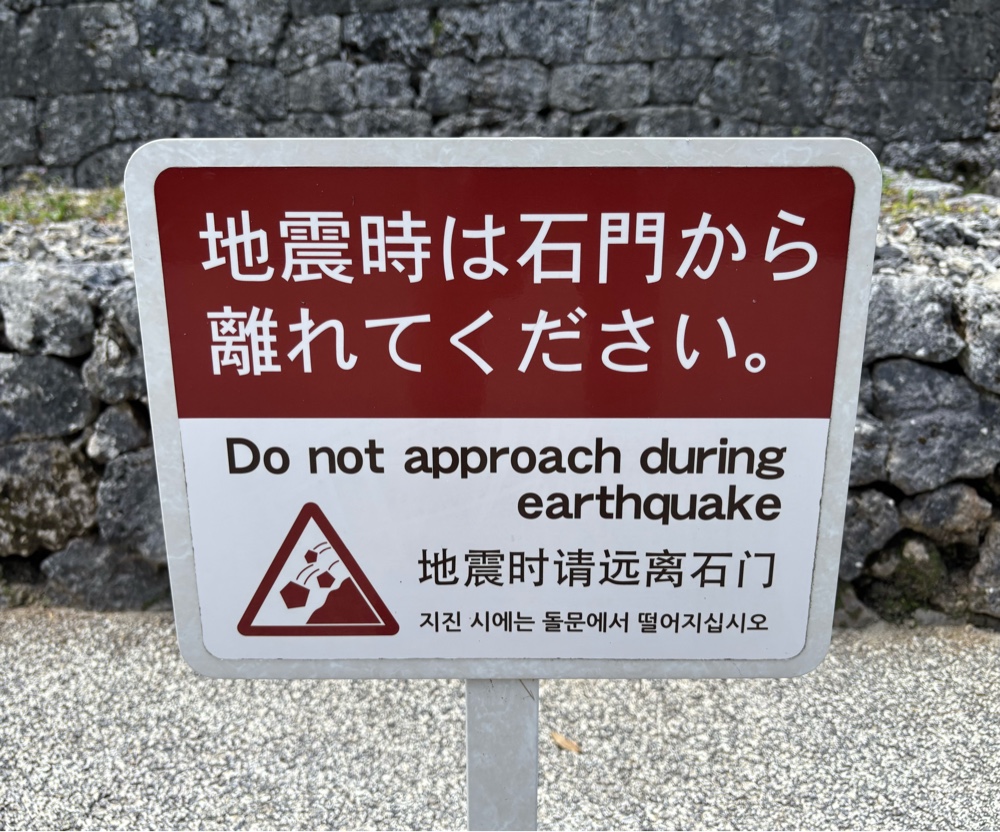
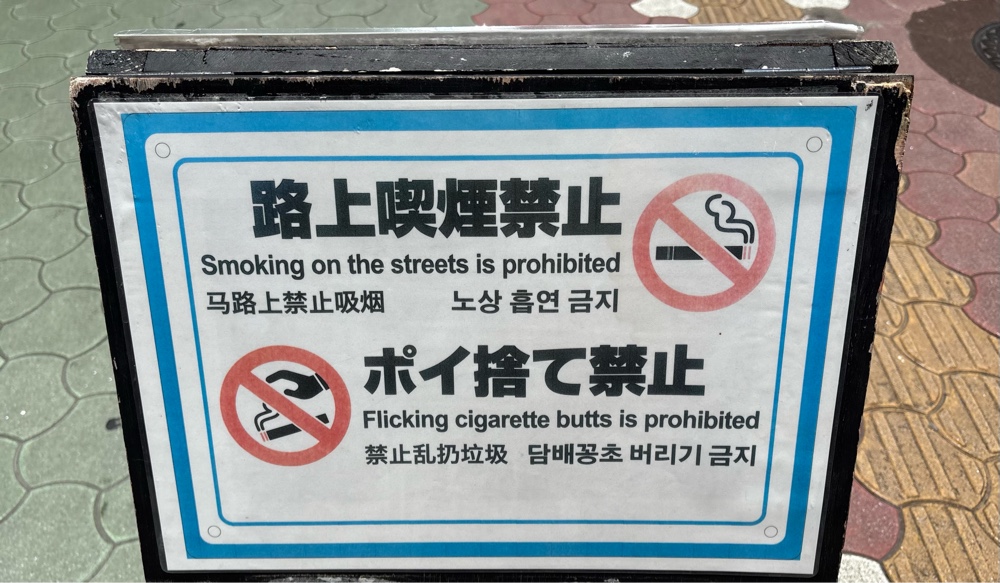
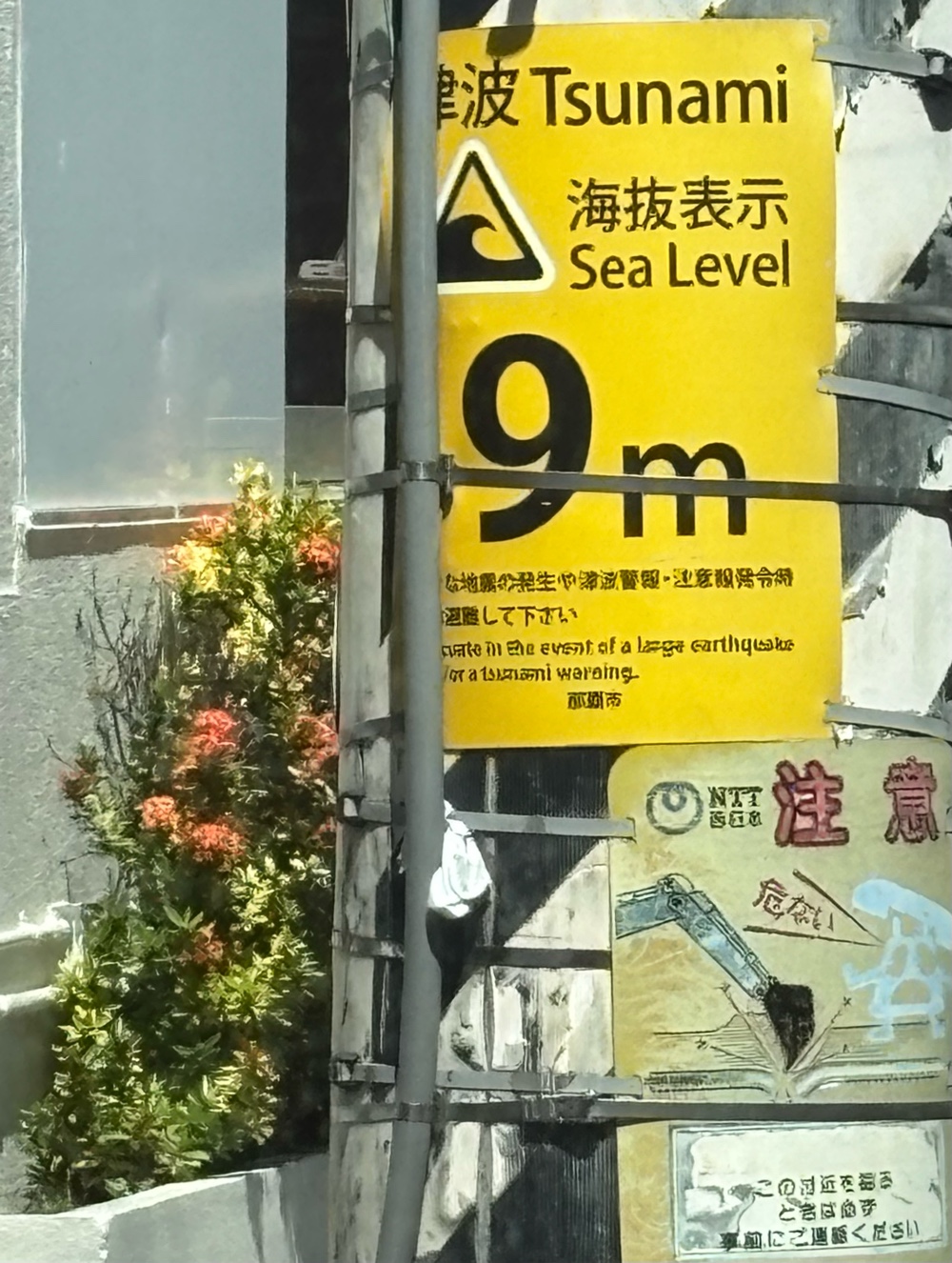
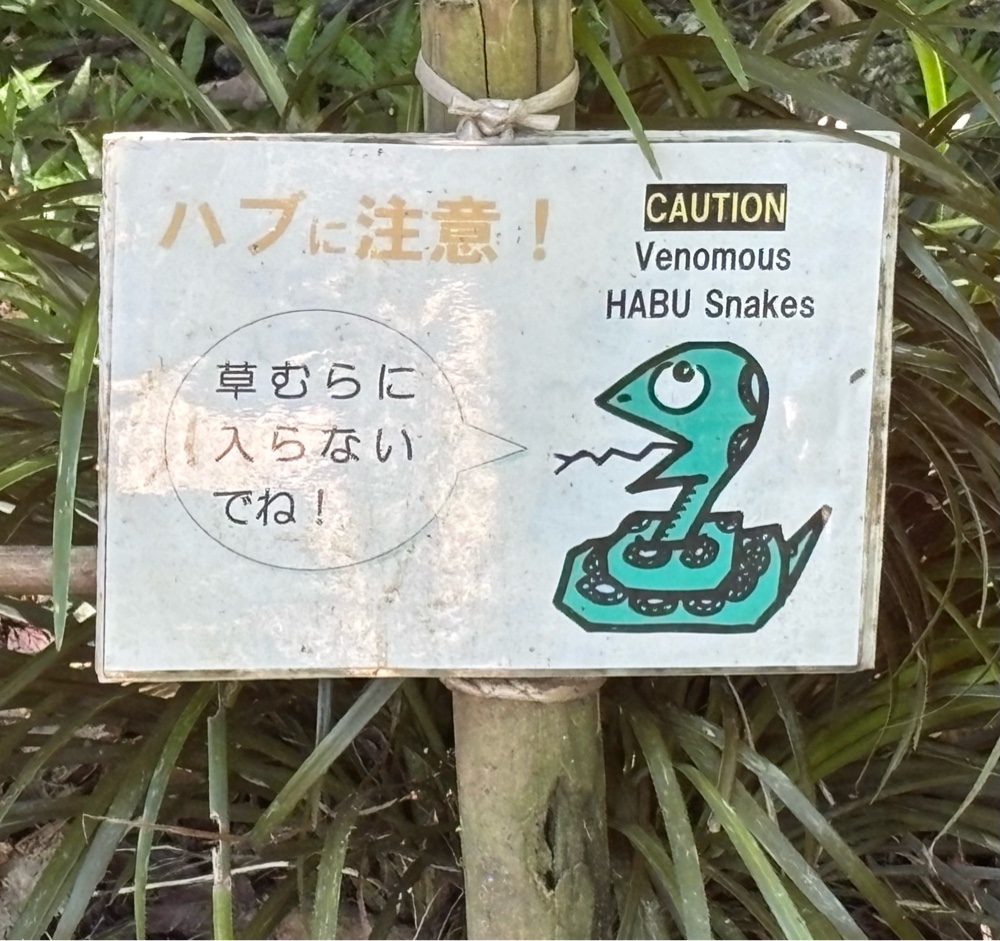
One of my most enjoyable aspects of visiting a country is to locate signs that reflect the uniqueness of the place. Here are four examples from today.
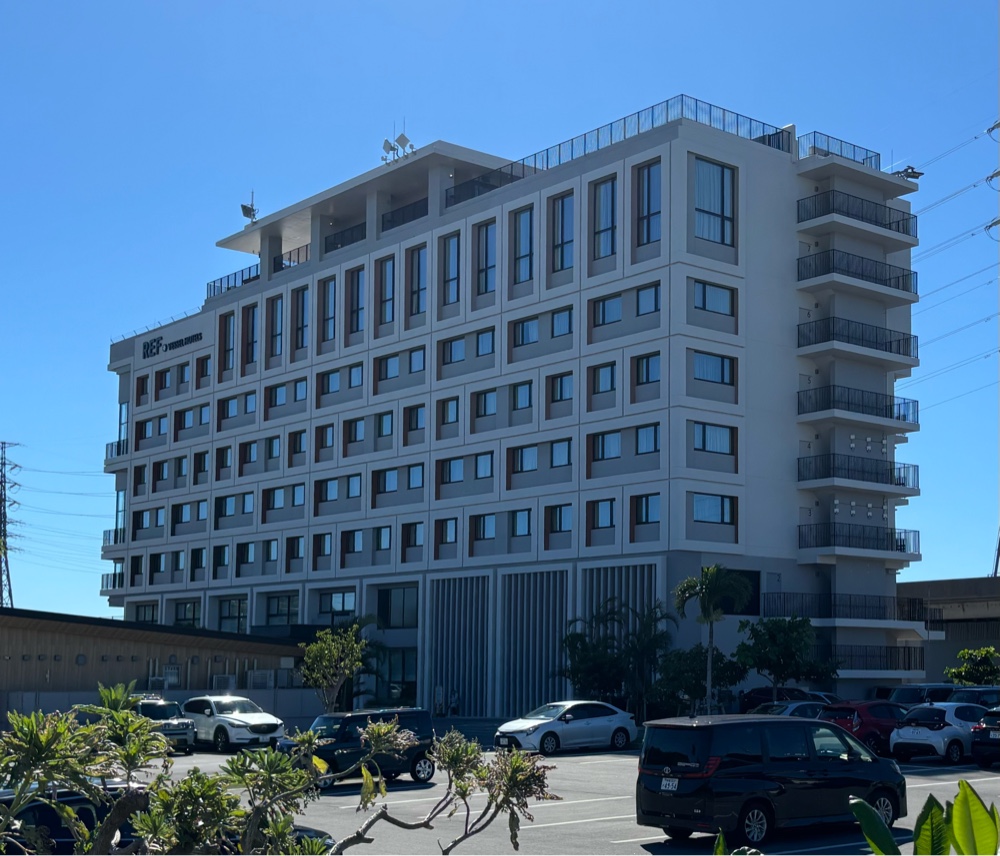 |
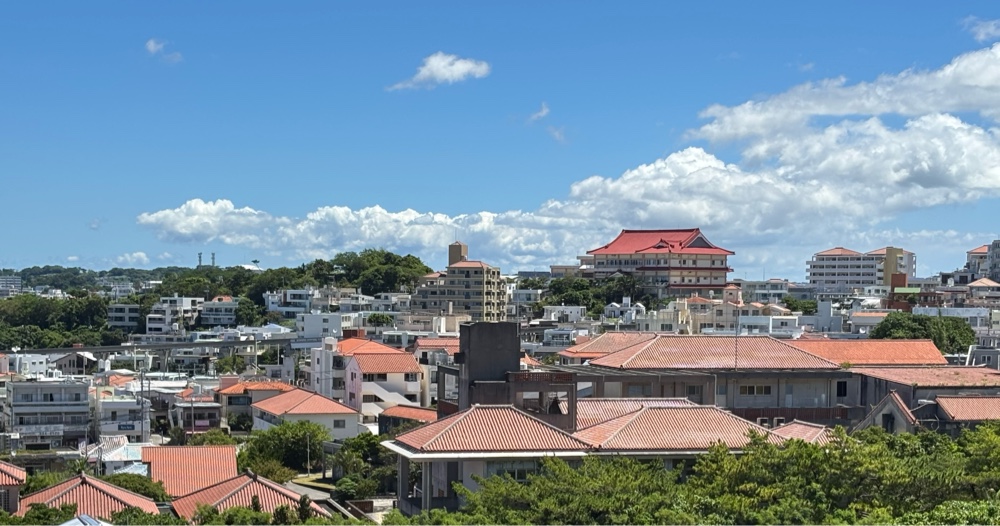
| This is our hotel, which is one third up island from Okinawa’s southern tip. |
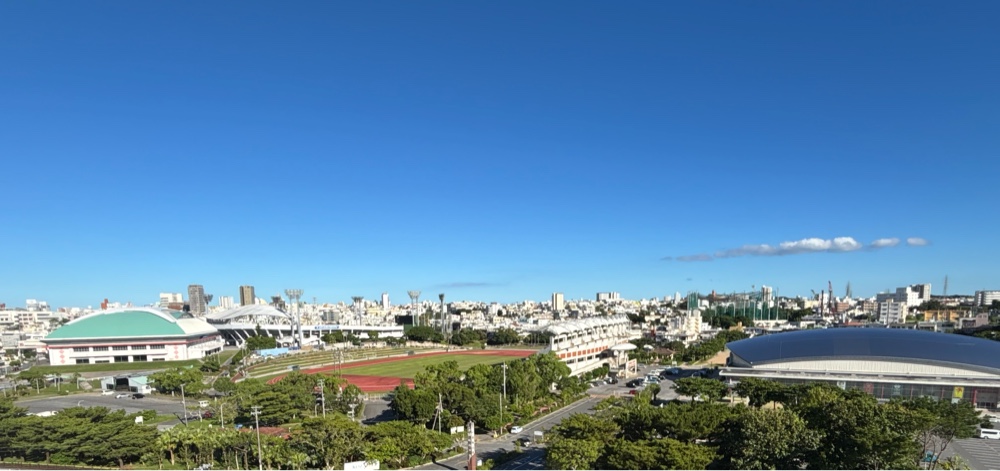 |
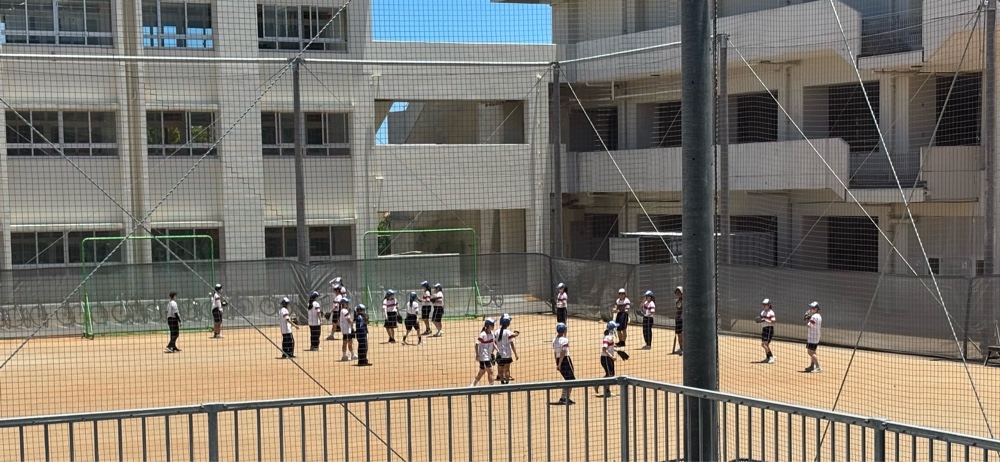
| The island’s top athletic facilities are located near the hotel. Here is a view of several of them from the hotel’s rooftop terrace. |
Comments
Post a Comment